
Understanding Structural Steel Construction
Structural steel construction is a critical component of modern-day architecture and engineering, serving as the backbone of high-rise buildings, bridges, and numerous other infrastructures. By leveraging the strength and versatility of steel, architects and engineers can create structures that are not only functional but also aesthetically pleasing. In this comprehensive exploration, we delve into the intricacies of structural steel construction, examining its history, advantages, and the key elements that contribute to successful projects.
What is Structural Steel?
Structural steel is a category of steel used in the construction of buildings and other structures. It is engineered to support loads and withstand structural stress, making it one of the most popular choices for construction. Structural steel components include beams, columns, and angles, all of which are fabricated to precise specifications to meet the demands of various architectural designs.
History and Evolution of Steel Construction
The use of steel in construction dates back to the Industrial Revolution in the 19th century, a time when iron was the primary material used in building. The advent of steel-making processes, such as the Bessemer process, revolutionized construction by making steel more affordable and abundant. Initially used for railway construction, the versatility of steel soon led to its application in building skyscrapers, bridges, and industrial facilities, paving the way for modern architecture and urban development.
Advantages of Using Structural Steel
Structural steel offers numerous advantages over traditional materials such as wood and concrete. One of its primary benefits is strength-to-weight ratio; despite being lightweight, structural steel has a high tensile strength, making it ideal for tall buildings and large spans. Additionally, it is resistant to termites and rot, ensuring longevity and durability. Steel construction also allows for faster project timelines, as components can be prefabricated off-site and assembled quickly on-site. Finally, its recyclability makes it a sustainable choice, aligning with modern environmental concerns.
Key Components in Steel Structures
Main Materials Used in Structural Steel Construction
Structural steel is primarily derived from iron ore, with carbon and other alloys added to enhance performance. In construction, different grades of steel are used depending on the specific requirements of the project, such as tensile strength and ductility. Some common types of structural steel include:
- Hot-rolled steel: This material is produced by rolling steel at high temperatures, making it ideal for beams and columns.
- Cold-formed steel: Made by bending steel sheets at room temperature, cold-formed steel is often used for lighter structures.
- Stainless steel: Known for its corrosion resistance, it is used in environments exposed to moisture or chemicals.
Understanding Steel Fabrication Processes
Steel fabrication is the process of cutting, bending, and assembling steel into recognizable shapes and components. Key steps in steel fabrication include:
- Cutting: Cutting steel to specific dimensions using methods such as laser cutting, plasma cutting, or sawing.
- Bending: Applying pressure to create curved or angled shapes as per design requirements.
- Welding: Joining sections of steel together through various welding techniques, including MIG, TIG, and arc welding.
Each stage must be carefully monitored to ensure precision, as inaccuracies can lead to structural weaknesses.
Essential Tools for Steel Construction
The tools used in structural steel construction are varied and essential for successful execution. Some of the most critical tools include:
- Welding machines: Used to join steel components together.
- Steel saws: Necessary for cutting steel beams and other components to size.
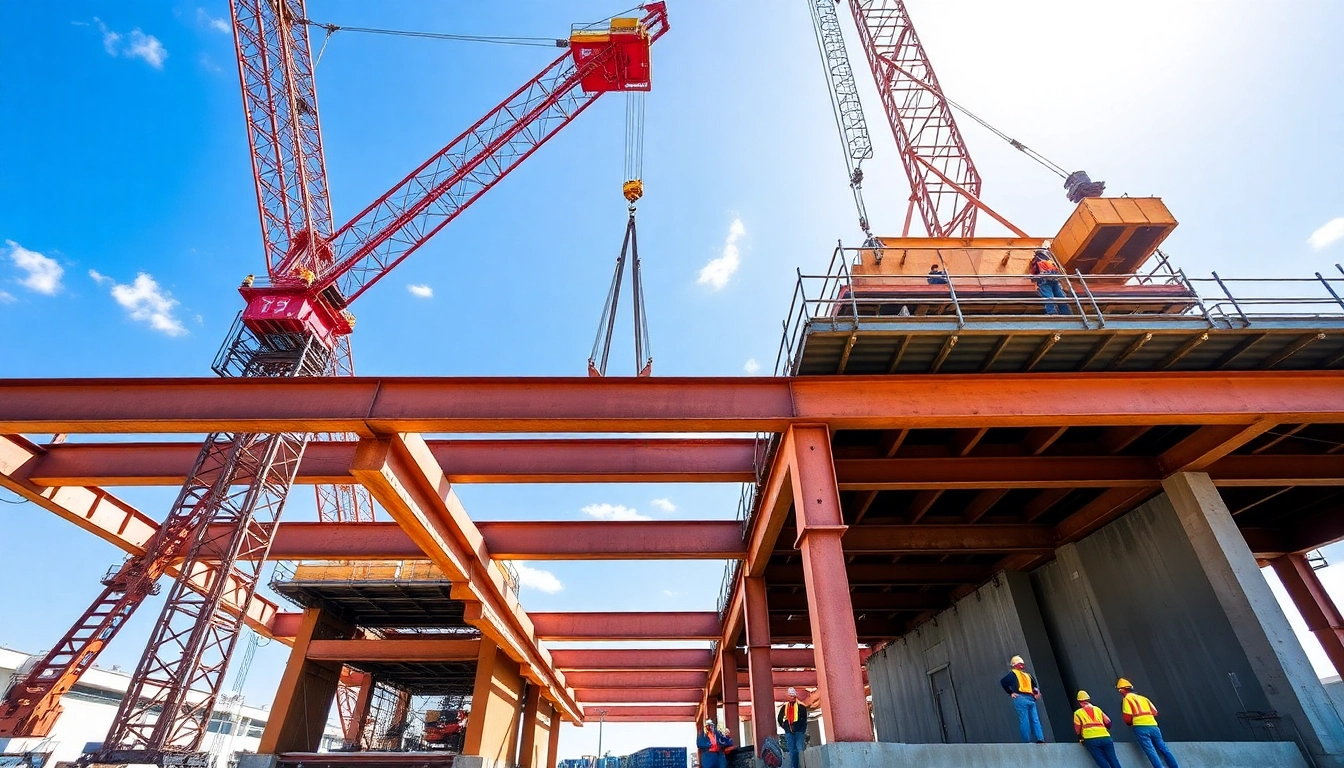
- Forklifts and cranes: Essential for lifting and positioning heavy steel pieces on-site.
- Measuring and layout tools: Precise tools such as laser levels and measuring tapes ensure accuracy in the construction process.
Design Principles for Steel Structures
Load-Bearing Considerations
When designing steel structures, understanding load-bearing principles is paramount. Load considerations include dead loads (permanent/static), live loads (temporary/dynamic), and environmental loads (like wind and earthquakes). Engineers perform detailed calculations and simulations to ensure that steel components can withstand these forces and provide stability and safety throughout the structure’s lifespan.
Architectural Aesthetics: Merging Form and Function
Architects increasingly focus on the aesthetic qualities of steel, allowing for innovative designs that challenge traditional architectural forms. The use of transparent materials, open spaces, and creative shapes enhances the visual appeal of buildings. Structural steel enables these designs by providing the strength to support extensive glass facades and unique geometric forms, blurring the lines between functionality and artistry.
Sustainability in Structural Steel Design
In today’s construction landscape, sustainability is not just a trend but a requirement. Structural steel is advantageous due to its recyclability, which significantly reduces its environmental footprint. Designers and architects are now incorporating sustainable practices, such as using recycled steel and energy-efficient production processes, to minimize waste and conserve resources. Additionally, incorporating green spaces and energy-efficient systems can enhance the overall sustainability of steel structures.
Best Practices for Structural Steel Construction
Safety Protocols and Regulations
Safety is a top priority in structural steel construction. Adhering to OSHA regulations and implementing proper safety protocols help mitigate risks on job sites. Key practices include:
- Regular safety training sessions for workers.
- Utilization of protective gear including helmets, gloves, and safety harnesses.
- Establishing clear emergency protocols, including evacuation plans.
Creating a culture of safety enhances worker confidence and operational efficiency.
Effective Project Management Strategies
Successful structural steel projects require impeccable project management strategies. Effective practices include:
- Clear communication: Ensuring all stakeholders, including architects, contractors, and clients, are on the same page helps avoid miscommunication.
- Thorough planning: Creating detailed schedules and budgets can minimize unforeseen costs and delays.
- Regular assessments and adjustments: Continuously monitoring project progress allows managers to address issues promptly and maintain timelines.
Quality Control and Inspection Procedures
Quality control is vital in maintaining the integrity and safety of structural steel construction. Inspection procedures should include:
- Pre-fabrication checks to ensure materials meet specifications.
- On-site inspections during assembly to validate alignment, weld quality, and fastener integrity.
- Final evaluations before commissioning, ensuring that the structure meets all design and safety standards.
Future Trends in Structural Steel Construction
Innovations in Steel Technology
The future of structural steel construction is promising, driven by rapid technological advancements. Innovations such as high-strength steel alloys enhance performance and allow for slimmer profiles without compromising strength. Additionally, smart steel structures equipped with sensors can monitor conditions in real-time, providing data to inform maintenance and upgrades.
The Role of Automation in Construction
Automation is set to transform the construction industry, streamlining operations and increasing efficiency. Technologies such as 3D printing, robotic arms, and computer-aided design (CAD) systems enable precise fabrication and assembly processes. Moreover, these advancements reduce the likelihood of human error, thereby enhancing overall quality and safety on job sites.
Predictions for Steel Construction in Urban Development
Urbanization levels are continually rising, leading to a growing demand for efficient and sustainable construction methods. Structural steel’s versatility positions it as a key material in future urban development projects. We can anticipate taller skyscrapers, more eco-friendly designs, and innovative uses of space, compelling the industry to adopt sustainable practices that address environmental challenges while catering to modern urban demands.