
Understanding Bass Behavior for Effective Fly Fishing
1. Species of Bass and Their Habitats
Bass are among the most sought-after species in freshwater fishing, with several key varieties prominent in the United States. The most common species include the Largemouth Bass, Smallmouth Bass, and Spotted Bass, each thriving in different habitats and exhibiting distinctive behavior patterns.
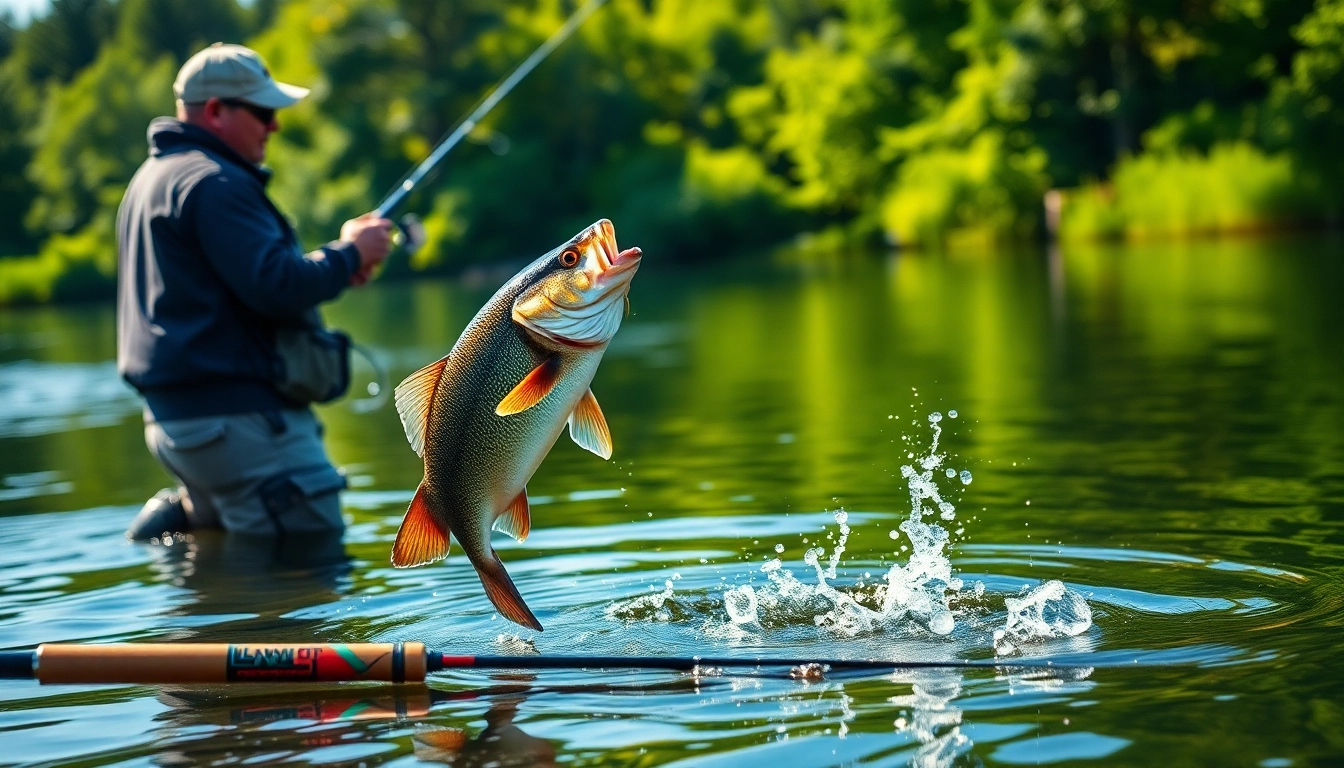
The Largemouth Bass (Micropterus salmoides) prefers warm, shallow waters rich in vegetation, often found in lakes, ponds, and slower-moving rivers. Its adaptability allows it to thrive in both natural and man-made environments. On the other hand, the Smallmouth Bass (Micropterus dolomieu) is predominantly found in cooler, clearer waters with rocky substrates. They favor fast-flowing rivers and deeper lakes, known for their aggressive strikes and acrobatic leaps when hooked.
Additionally, the Spotted Bass (Micropterus punctulatus) shares behavioral similarities with its larger counterpart, the Largemouth. However, it favors smaller lakes and rivers, particularly those with clearer water where it can hunt on schooling baitfish. Understanding these species and their preferred environments is key to successful fly fishing for bass.
2. Seasonal Patterns and Feeding Habits
Bass behavior is significantly influenced by seasonal changes, affecting their feeding patterns and habitat preferences. Early spring marks the spawning season, with males guarding nests. During this time, bass are intensely focused on defending their territory, making them more aggressive and predictable. After spawning, they enter a recovery phase, gradually transitioning into a feeding frenzy, particularly as water temperatures rise and insect activity increases.
As summer progresses, bass often retreat into deeper waters during the hottest part of the day, seeking shaded areas near structures such as docks and submerged vegetation. Night fishing becomes increasingly popular during this season, with bass actively feeding after dark. By the time fall arrives, bass begin to fatten up in anticipation of winter, forming schools and becoming more actively engaged in surface feeding.
3. Choosing the Right Time of Day for Bass Fishing
Timing is everything in fly fishing for bass. The first light of dawn and the hour leading up to dusk are known as the prime times for bass fishing, as these periods coincide with increased feeding activity. During these times, bass are more likely to venture into shallower waters to hunt for prey. Identifying and capitalizing on these windows can significantly increase your catch rate.
Essential Fly Fishing Gear for Bass
1. Selecting the Right Rod and Reel Combination
The right fly fishing gear can drastically impact your success. When targeting bass, a medium to medium-heavy fly rod, typically in the 8 to 10-weight range, is ideal for handling larger flies and the powerful strikes of bass. A flexible yet responsive rod enhances casting distance and accuracy while providing adequate leverage when fighting these spirited fish.
Your reel should have sufficient backing capacity to accommodate fast runs, along with a smooth drag system that allows you to manage the fight. A large arbor reel is often preferred, as it retrieves line quickly, which is particularly useful when a fish makes a sudden dive or sprint.
2. Best Flies for Targeting Bass
Choosing the right flies is crucial to successfully enticing bass. Popular fly patterns include poppers, deceivers, and streamers. Poppers are particularly effective during warm months as they create surface commotion that can provoke explosive strikes. Deceivers mimic baitfish, making them a versatile choice during feeding frenzies, while streamers imitate larger prey and can be used to target more aggressive bass.
Additionally, don’t underestimate the effectiveness of topwater flies during dawn and dusk. The visual stimulation they provide can elicit aggressive reactions from bass, resulting in exhilarating topwater action.
3. Additional Gear: Lines, Leaders, and Accessories
In addition to choosing the right rod and flies, the selection of appropriate lines and leaders plays a critical role in your fishing success. Use floating lines for topwater action, and consider sinking lines when fishing deeper structures. A weight-forward line can enhance casting distance, while a tapered leader helps impart a natural presentation of your fly.
Accessories such as a landing net, a pair of forceps, and a tackle bag to organize your flies are also essential. Don’t forget to invest in polarized sunglasses to reduce glare on the water, making it easier to spot bass as well as see underwater features.
Fly Fishing Techniques for Bass Success
1. Casting Techniques: Roll Cast vs. Overhead
Fly casting techniques are fundamental to your success in bass fishing. The overhead cast is the most common technique, allowing for longer distances and improved accuracy. However, mastering the roll cast can be particularly beneficial, especially in tight quarters or when there are obstacles behind you. It allows for a smooth presentation of your fly without the need to backcast, essential when fishing from a boat or in areas surrounded by dense foliage.
Practicing your cast ensures that you can accurately place your fly near likely bass habitats, such as cover from debris or structures underwater.
2. Retrieve Styles for Effective Strikes
How you retrieve your fly is as important as how you cast it. Varying your retrieve speed and style can help provoke strikes. For instance, a slow, steady retrieve can work wonders for poppers, while a faster retrieve with erratic pauses can entice bass to strike a streamer. Experimenting with different rhythms will help you determine what triggers the bass in your fishing environment.
3. Handling and Fighting Bass Safely
Once you’ve hooked a bass, proper handling techniques are vital to ensure a successful catch-and-release. Use wet hands to minimize damage to the fish’s slime coating, and avoid excessive force; let the fish tire before attempting to reel it in completely. If using barbless hooks, it’s easier to release the fish quickly. Employ a landing net to avoid unnecessary stress, and always ensure the fish is returned to the water promptly to minimize exhaustion.
Finding the Best Locations for Fly Fishing for Bass
1. Top Lakes and Rivers for Bass Fishing
Identifying the best locations for bass fishing is paramount to your success. Known hotspots, such as Lake Fork in Texas or the Potomac River in the D.C. area, are renowned for their bass populations. Various lakes and rivers throughout the U.S. offer prime fishing opportunities, each with unique features that attract bass.
Local fishing forums and social media groups can provide valuable insights into current conditions and fishing reports. Engaging with local anglers can help you discover lesser-known but fruitful fishing locales.
2. Reading Water: Identifying Ideal Spots
Effective bass fishing requires the ability to read water conditions. Look for areas where bass might ambush their prey, such as where current breaks, submerged rocks, and overhanging vegetation create cover. Shallow flats near deeper drop-offs are also prime locations where bass will often hunt during feeding times. Understanding hydraulic dynamics helps identify likely feeding zones and increases your odds of landing a catch.
3. Local Regulations and Conservation Practices
Before heading out, it’s crucial to familiarize yourself with the local fishing regulations. This includes understanding size limits, seasonal restrictions, and any catch-and-release policies that may apply. Responsible fishing is not just about compliance with the law; it’s about preserving the ecosystem for future generations.
Common Challenges and Solutions in Fly Fishing for Bass
1. Dealing with Weather and Water Conditions
Weather plays an essential role in fishing dynamics. Changes in temperature, wind, and precipitation can substantially affect bass activity. Learning to adapt your technique based on these factors can enhance your success. For example, overcast days can result in more aggressive feeding behavior, while sunny conditions might require deeper presentations and cautious retrieves.
2. Troubleshooting Gear and Technique Issues
Nothing can be more frustrating than gear malfunction while out on the water. Familiarize yourself with your equipment to quickly identify and fix potential issues, whether it’s a tangled line or a misplaced fly. Regular maintenance of your gear, such as cleaning your reel and checking your lines for wear, ensures optimal performance when you need it most.
3. Enhancing Your Skills Through Practice and Patience
Finally, becoming proficient in fly fishing for bass requires practice and patience. Take the time to refine your casting techniques, experiment with different flies, and understand the nuances of bass behavior. Specific skills, such as knot tying and gear selection, can always be improved. Consider joining local workshops or clinics, where you can learn from seasoned pros and connect with fellow enthusiasts.