The Basics of Ceramic Window Tint
What is Ceramic Window Tint?
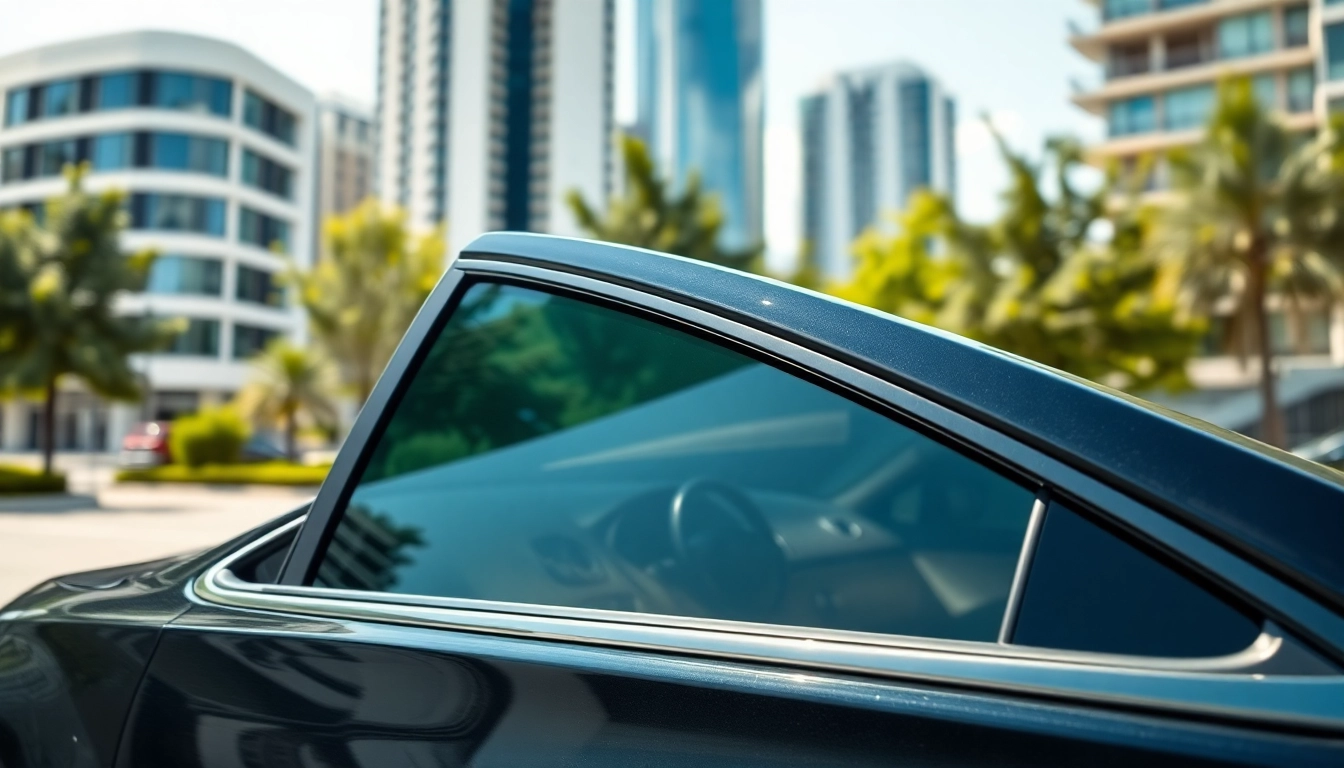
Ceramic window tint is a premium window film that utilizes advanced ceramic particles to limit the amount of heat, glare, and UV rays entering your vehicle. Unlike traditional window tints, ceramic window tint does not contain any dyes or metals, which allows for an exceptional level of clarity. This technology provides a significant improvement in both performance and aesthetics without compromising vision or light transmittance. With its rising popularity, many vehicle owners are turning to ceramic window tint for its unparalleled performance features.
Key Features of Ceramic Window Tint
- Non-Metallic Composition: This allows for seamless communication with electronic devices without interference.
- Heat Rejection: Ceramic window tint can block up to 99% of UV rays and significantly reduce solar heat gain, keeping your vehicle cooler.
- Glare Reduction: The film minimizes glare caused by sunlight and headlights, enhancing driving comfort and safety.
- Durability: The ceramic particles ensure that the tint withstands abrasions and fading, leading to longevity.
- Improved Privacy: The darker shades provide added privacy without blocking visibility for the driver.
How Does Ceramic Window Tint Differ from Other Tints?
Ceramic window tint stands out from other types of tints, such as dyed or metallized films, mainly in its technology and effectiveness. Dyed films are primarily designed to reduce glare and UV rays but can fade over time. Metallized films reflect heat but may interfere with electronic signals and provide a less clear view. In contrast, ceramic window tint offers high heat rejection without the risk of fading or signal interference, making it a superior choice for vehicle window enhancement.
Benefits of Ceramic Window Tint
Enhanced UV Protection
One of the primary benefits of ceramic window tint is its extraordinary capability to block UV rays, reducing the risk of skin cancer and minimizing glare for drivers and passengers alike. Studies indicate that UV rays can penetrate car windows, contributing to skin damage and health risks. Ceramic window tint blocks up to 99% of UV radiation, providing essential protection while encouraging a safer environment within the vehicle.
Improved Heat Resistance
Ceramic window tint excels in heat rejection, keeping vehicles significantly cooler on hot days. Research shows that cars with ceramic window tint experience up to 30% less heat build-up compared to those without any tint. This not only enhances comfort but also reduces reliance on air conditioning, leading to better fuel efficiency. Additionally, it improves the longevity of car interiors by preventing sun damage to upholstery and dashboard materials.
Limited Glare for Safety
Driving with excessive glare can be dangerous. Ceramic window tint reduces glare from sunlight and oncoming headlights, enhancing visibility during crucial driving moments. This feature not only contributes to safer driving experiences for the operator but also increases comfort for passengers, making it an ideal option for those who spend considerable time on the road.
Installation Process for Ceramic Window Tint
Choosing a Professional Installer
When considering ceramic window tint installation, selecting a professional installer is crucial to achieving optimal results. A skilled technician can ensure accurate measurements, seamless application, and adherence to local laws regarding tint darkness and reflectivity. Researching customer reviews and seeking out certified installation centers can further guarantee a high-quality installation experience.
The Steps of Installation
- Consultation: Discuss your tint needs and preferences with the installer.
- Preparation: Clean the windows thoroughly to ensure proper adhesion.
- Cutting: The installer will cut the ceramic film to match the size of your car windows.
- Application: The film is applied using a solution to assist placement without bubbles.
- Curing: Allow the film to cure according to the installer’s recommendations, usually a few days, to ensure optimal adhesion.
Post-Installation Care Tips
Proper care after installation is vital to maintain the intended benefits of the ceramic window tint. It is recommended to avoid rolling down windows for at least 48 hours to allow the film to adhere properly. Additionally, using a soft microfiber cloth for cleaning and avoiding ammonia-based products ensures that the tint lasts longer without damage. Regular inspection for bubbles or lifted edges should be conducted to address potential issues early.
Cost Considerations
Average Prices of Ceramic Window Tint
The cost of ceramic window tint varies based on several factors, including vehicle type and size, film brand, and installation location. On average, the cost ranges from $400 to $800 for a full vehicle tint. Premium options or larger vehicles may incur higher charges, yet the longevity and protective benefits often justify the investment.
Factors Influencing Tint Cost
Several factors can influence the total cost of ceramic window tint installation. These include:
- The type of ceramic film chosen: Higher-end brands may command higher prices.
- Labor costs based on location and technician experience.
- Accessibility of certain vehicle models which may require intricate installation techniques.
Value for Money – Is It Worth It?
Investing in ceramic window tint is often seen as a long-term financial decision. While the upfront cost may be higher than standard window films, the benefits of enhanced UV protection, heat reduction, and glare control lead to increased comfort and potential fuel savings. Furthermore, long-lasting durability can provide value over the lifespan of the vehicle, making ceramic window tint a worthwhile investment for many car owners.
Common Questions about Ceramic Window Tint
How Long Does Ceramic Window Tint Last?
With proper care, ceramic window tint can last up to 15 years or more without fading or peeling, making it a durable choice.
Can It Be Removed Easily?
Yes, ceramic window tint can be removed by a professional installer. DIY removal is possible, but it can be time-consuming and may damage the glass if not done correctly.
What’s the Warranty Like?
Most ceramic window tints come with a warranty ranging from 5 to 15 years, covering defects in material and workmanship.
Are There Any Legal Restrictions?
Yes, many states have regulations concerning window tint darkness and reflectivity. It’s essential to check local laws to ensure compliance before installation.
Can I Apply It Myself?
While DIY kits are available, professional installation is recommended for optimal results, ensuring proper application and adherence to local regulations.