
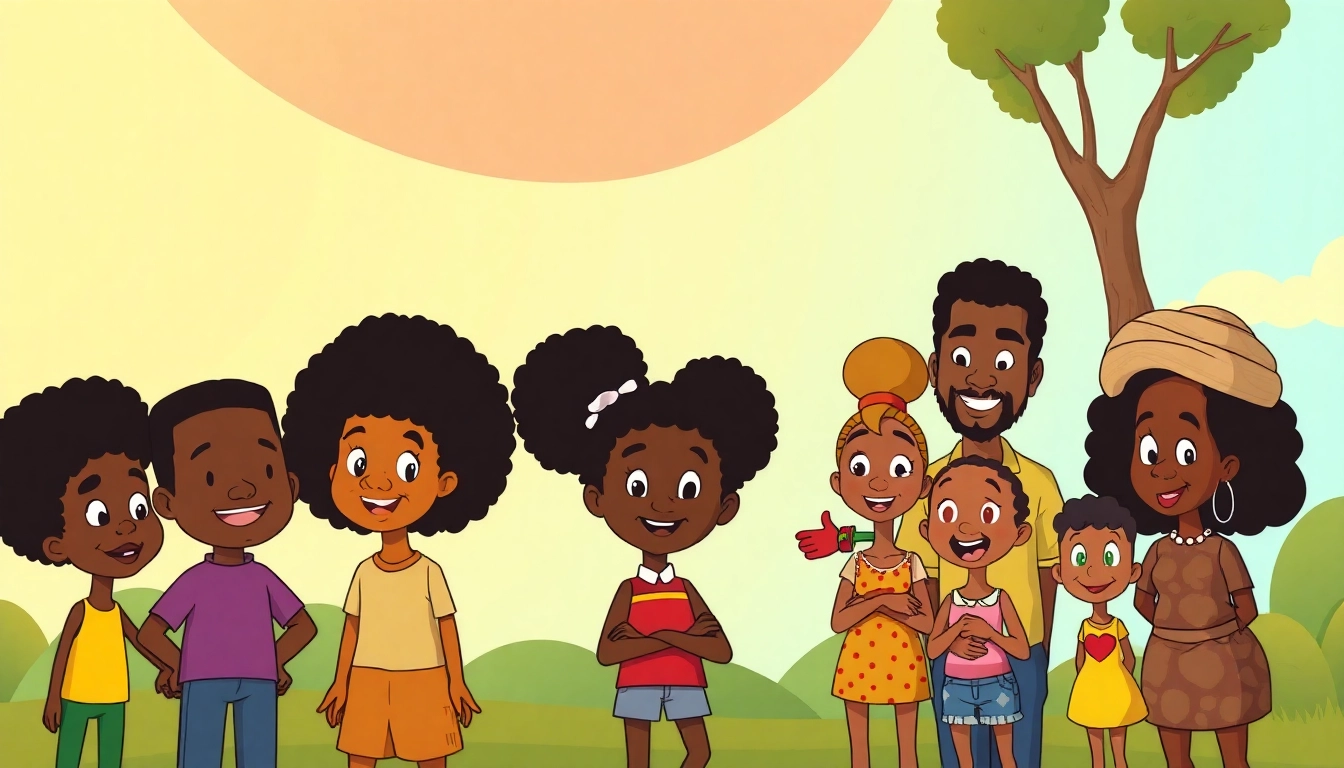
Introduction to African American Cartoons
Animation has long been a powerful medium for storytelling, allowing creators to transcend language and cultural barriers while providing representation for diverse communities. Among these narratives, African American cartoons have carved out a significant place, showcasing the richness of Black culture and the complexities of the African American experience. With their unique blend of humor, lessons, and cultural references, these cartoons not only entertain but also educate audiences about the values and challenges faced by African Americans. African American Cartoons have become a vital part of media, particularly for children seeking relatable characters and stories.
Understanding Cultural Significance in Animation
The cultural significance of African American cartoons extends beyond mere entertainment. These animated series often reflect the social, political, and historical context of their times, providing insights into the Black experience in America. From depicting family dynamics and community ties to addressing broader topics like resilience in the face of adversity, these cartoons create a platform for dialogue and understanding. They serve as mirrors to society, exposing both the triumphs and tribulations of African Americans while celebrating their achievements.
The Evolution of African American Characters in Cartoons
The journey of African American characters in animation began with stereotypical representations in early cartoons. However, over the decades, there has been a significant evolution towards more authentic and complex portrayals. From characters like Fat Albert and his friends in the 1970s to the nuanced depictions in modern shows such as “The Boondocks” and “Craig of the Creek,” creators have worked to ensure that Black characters are relatable and multidimensional. This evolution marks a shift towards inclusivity, reflecting the push for diversity in media.
Why Representation Matters in Children’s Media
Representation in children’s media is crucial for fostering a sense of identity and belonging among young viewers. African American cartoons provide children with role models that look like them and reflect their experiences. Studies have shown that when children see characters that resemble them, it positively impacts their self-esteem and emotional well-being. Furthermore, these cartoons teach empathy and understanding towards others, contributing to a more inclusive society.
Top African American Cartoons to Watch in 2026
As we look ahead to 2026, several standout African American cartoons have captured audiences’ attention, blending entertainment with messages of empowerment and cultural pride. This section highlights some of the most influential series, both classic and contemporary, that continue to resonate.
Iconic Series from the 90s and 2000s
The 1990s and 2000s were pivotal decades for African American animation, giving rise to iconic series that remain beloved today. Shows such as “The Proud Family” and “Static Shock” broke new ground by addressing issues relevant to the Black community while providing engaging storylines. “The Boondocks” introduced sharp social commentary wrapped in humor, making it a staple of adult animation. These series not only entertained but also educated viewers about cultural and societal issues, paving the way for future generations of animators.
New Releases Celebrating Black Culture
In recent years, there has been a surge of new cartoons that celebrate and explore Black culture. For instance, “Motown Magic” invites children to engage with classic Motown music and art, promoting creativity alongside cultural appreciation. Similarly, “Craig of the Creek” showcases diverse characters and experiences in a relatable setting, blending adventure with meaningful narratives. These new releases highlight the continuing importance of representation in animated storytelling.
Educational Cartoons: Learning Through Fun
Educational content featuring African American characters has gained momentum, blending fun with learning. Series like “Doc McStuffins” provide children with engaging stories while promoting themes of empathy and problem-solving. These educational cartoons not only entertain but also equip children with essential skills and cultural understanding, reinforcing the value of diversity in learning environments.
Character Highlights: Pioneers of African American Animation
Behind every great cartoon are the characters that bring stories to life. This section explores some of the most influential characters in African American animation, their impact on audiences, and the creators who shaped them.
Influential Characters and Their Impact
Characters such as Huey and Riley Freeman from “The Boondocks” have become symbols of resistance and social critique, tackling complex issues like race and identity head-on. Similarly, characters like “Doc McStuffins” break barriers by representing Black girls in roles of caring and leadership, inspiring young audiences to aspire to great heights. These characters resonate with viewers and serve as catalysts for discussions around race and culture in American society.
Behind the Scenes: Creators and Innovators
The success of African American cartoons is also attributed to visionary creators like Aaron McGruder, who conceptualized “The Boondocks“, and Bruce W. Smith, the creator of “The Proud Family“. Their perspectives and experiences have significantly shaped the narratives and characters in these shows, highlighting the need for diverse voices in animation. By bringing their stories to the forefront, these innovators have paved the way for a new generation of creators and storytellers.
Memorable Quotes and Lessons from Iconic Shows
Memorable quotes from African American cartoons often encapsulate powerful messages. For instance, the wise words of Granddad in “The Boondocks” remind viewers of the importance of family and community. Likewise, the characters in “The Proud Family” provide lessons on friendship and the significance of cultural heritage. These quotes resonate with audiences, fostering a deeper understanding of the values portrayed in these cartoons.
How African American Cartoons Shape Identity and Values
The influence of African American cartoons extends beyond entertainment, shaping identity and instilling values in young viewers. This section delves into how these animated series contribute to understanding race, culture, and personal identity.
The Role of Humor in Addressing Serious Issues
Humor is a powerful tool in African American cartoons, enabling creators to address serious issues with a light-hearted touch. Shows like “The Boondocks” effectively use satire to discuss societal problems, making these topics more approachable for audiences. By incorporating humor, these cartoons engage viewers in meaningful discussions about race and justice while entertaining them.
Cartoons as Tools for Discussing Race and Culture
Animation serves as a gateway for discussions about race and culture, allowing families to explore these topics in a safe environment. Series like “Little Bill” and “The Proud Family” provide opportunities for children to learn about their history and heritage, fostering pride in their identity. These conversations are essential for developing awareness and empathy among younger generations.
Empowerment Through Relatable Stories
Relatable narratives in African American cartoons empower children to see themselves in the characters they admire. These stories often highlight overcoming obstacles, celebrating achievements, and embracing cultural heritage, which are crucial for building resilience and self-worth. By seeing characters who reflect their experiences, children are encouraged to pursue their dreams while valuing their unique backgrounds.
Future Trends in African American Animation
The landscape of African American animation continues to evolve, driven by technological advancements and a growing demand for diverse representation. This section explores emerging trends that will shape the future of this vital medium.
Emerging Technologies and Animation Techniques
As technology advances, the animation industry is increasingly embracing new techniques that enhance storytelling. The use of 3D animation and digital tools allows for richer visuals and more nuanced characters. These innovations not only elevate the quality of production but also enable creators to explore more complex themes and narratives, contributing to a deeper engagement with audiences.
Trends in Storytelling and Representation
There is a notable shift towards inclusive storytelling in African American animation, with more creators coming from diverse backgrounds. This trend is vital for authentic representation and for addressing the multifaceted experiences of African Americans. The focus is shifting towards stories that explore intersectionality, ensuring that diverse voices are heard, and that narratives are representative of the community’s breadth.
What to Expect in the Next Decade of Animation
Looking forward, the next decade of African American animation promises to be exciting. There is a growing focus on original content that challenges stereotypes and pushes boundaries. As streaming platforms expand, they provide opportunities for a broader range of narratives and characters, effectively changing the landscape of animation. African American cartoons are poised to play a pivotal role in shaping the future of media, inspiring both creators and audiences alike.