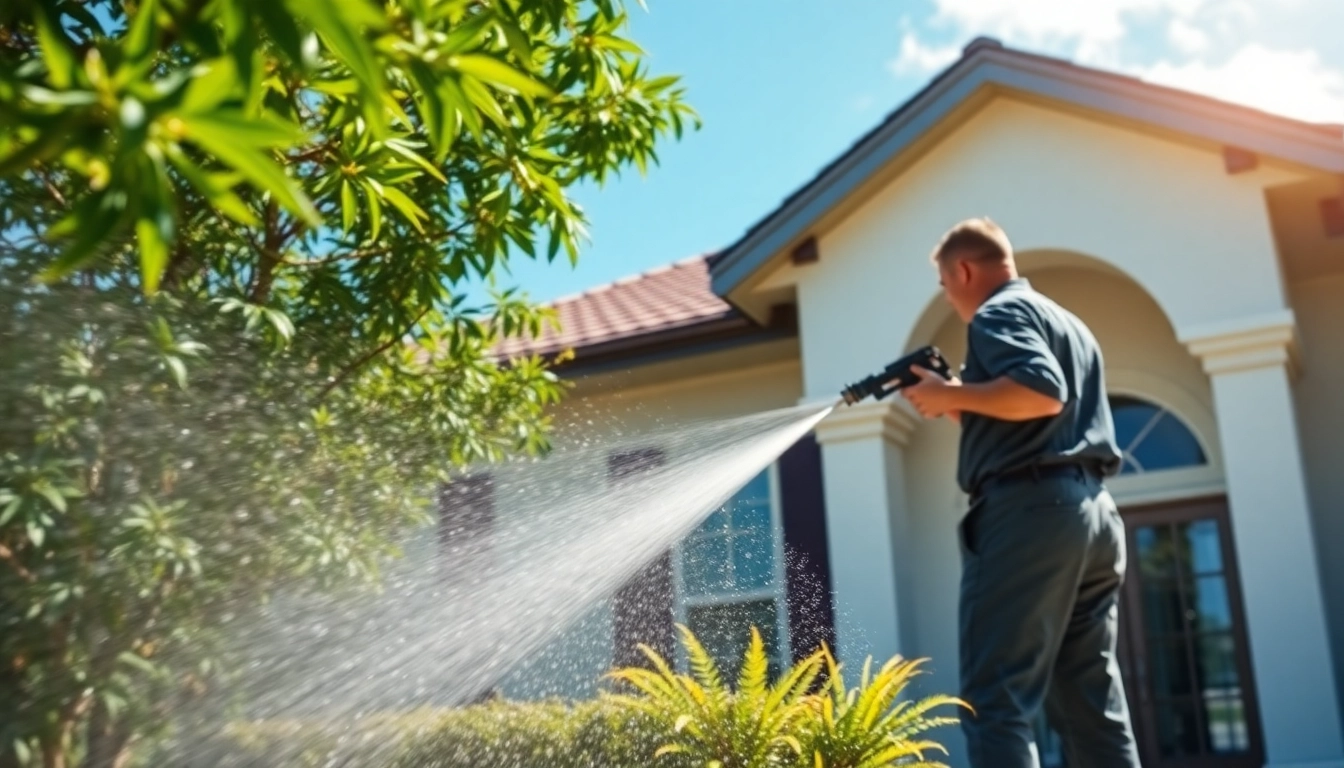
Understanding Soft Wash: The Method Behind the Magic
Soft washing has emerged as a game-changer in the realm of exterior cleaning, particularly for homeowners and businesses looking to maintain their properties without the risks associated with traditional pressure washing. By employing a gentler technique that utilizes low-pressure water combined with specialized cleaning solutions, soft wash effectively removes dirt, mold, and stains without damaging delicate surfaces. For those considering a soft wash service, understanding its methodology and benefits can significantly enhance your property's longevity and aesthetic appeal.
What is Soft Washing?
Soft washing is a cleaning method that employs low-pressure water to apply biodegradable cleaning solutions to various surfaces. Unlike pressure washing, which can potentially harm fragile materials, soft washing safely cleans surfaces by harnessing the power of chemistry rather than brute force. This approach is ideal for roofs, siding, and other delicate areas that require a more gentle touch to avoid surface damage.
Key Benefits of Soft Washing for Homeowners
- Protects Surface Integrity: Soft washing minimizes the risk of gouging or damaging surfaces, making it suitable for materials like wood, shingles, and painted surfaces.
- Long-Lasting Results: The cleaning solutions used in soft washing not only remove stains and dirt but also kill mold and algae at their roots, reducing regrowth and keeping surfaces cleaner for longer.
- Eco-Friendly: Many soft wash solutions are biodegradable, which makes them safer for your garden, pets, and the environment.
- Enhances Curb Appeal: A clean exterior enhances the appearance of your home, potentially increasing its market value and attractiveness.
Common Myths and Misconceptions about Soft Wash
Despite its benefits, several misconceptions surround soft washing. One prevalent myth is that soft washing is the same as traditional pressure washing. In reality, the two methods differ significantly, with soft washing emphasizing a gentler approach that protects your surfaces. Additionally, some homeowners believe that soft washing is ineffective against tough stains; however, with the right cleaning agents, it can tackle even the most stubborn grime without risking the integrity of the surface.
Why Soft Wash is the Ultimate Choice for Your Property
Preserving Surface Integrity: A Comparison with Pressure Washing
When it comes to cleaning your property, the choice between soft washing and pressure washing often hinges on the materials being cleaned. Pressure washing uses high-pressure water streams, which can strip paint, dent siding, and even damage roofing materials. In contrast, soft washing operates at much lower pressures, ensuring that the surfaces remain intact while still delivering a thorough cleaning. This makes soft washing particularly beneficial for homeowners with older properties or homes that feature delicate materials.
Eco-Friendly Aspects of Soft Wash Techniques
In an era of increasing environmental awareness, soft washing shines as a sustainable cleaning option. The eco-friendly solutions used in soft wash are typically biodegradable and safe for plants and wildlife. With growing concerns about water usage in pressure washing, soft washing also generally consumes less water while providing comparable, if not superior, results.
Cost Comparison: Soft Wash vs. Traditional Cleaning Methods
The cost of cleaning your property can vary widely based on the method used. Generally, soft washing is seen as more cost-effective in the long run. Although initial costs may be similar to pressure washing, the longevity of the results achieved via soft washing means less frequent cleanings are required, ultimately saving you money over time.
Choosing the Right Soft Wash Equipment and Supplies
Essential Tools for Effective Soft Washing
To effectively perform soft washing, specific equipment is necessary. Some of the essential tools include:
- Low-Pressure Spray Equipment: Soft wash systems use specialized nozzles that allow for low-pressure application of cleaning solutions.
- Water Tanks: An appropriate water supply is crucial for soft washing, especially for larger properties.
- Mixing Tanks: To achieve the right cleaning solution, a mixing tank can help combine your cleaning agents effectively.
Top Eco-Friendly Chemicals for Soft Washing
Choosing the right chemicals is vital for effective soft washing while also being mindful of the environment. Some commonly used eco-friendly options include:
- Biodegradable Surfactants: These help break down dirt and grime without harming the environment.
- Bleach Solutions: When diluted correctly, bleach can effectively kill mold and mildew while being safe for most surfaces.
- Vinegar-Based Solutions: Natural and effective, vinegar can help eliminate stains and provide an effective clean.
Setting Up Your Soft Wash System: A Step-by-Step Guide
Properly setting up a soft wash system is crucial for achieving optimal results. Here’s a simple guide:
- Gather Equipment: Ensure that all necessary tools and cleaning agents are ready.
- Prepare the Area: Clear the surrounding environment to prevent any items from being damaged during the cleaning process.
- Mix Cleaning Solutions: Follow manufacturer instructions for mixing the cleaning agents.
- Test a Small Area: Before cleaning the entire surface, test a small, inconspicuous area to ensure no damage will occur.
- Start Cleaning: Apply the solution using low pressure and allow it to sit for the recommended time before rinsing off.
Implementing Soft Wash Services: Best Practices for Professionals
Ideal Conditions for Soft Washing: Weather and Timing
For effective soft washing, it’s essential to consider weather conditions. Overcast days are ideal, as bright sunlight can cause cleaning solutions to dry too quickly, reducing effectiveness. It’s advisable to avoid windy conditions as well, to prevent any solution drift or contamination.
Safety Measures for Technicians and Property
Implementing safety measures ensures the safety of both technicians and the property being cleaned. Here are some best practices:
- Always wear personal protective equipment (PPE), including gloves and safety glasses.
- Secure the working area to prevent accidents with pedestrians or pets.
- Ensure ladders and other tools are stable and well-maintained.
Scheduling Regular Soft Wash Maintenance for Longevity
Regular maintenance through soft washing can greatly enhance the lifespan of your property’s exterior. Establishing a schedule, typically every 1-2 years, depending on the environment and surface type, can help maintain cleanliness and prevent long-term damage from mold and mildew.
Future Trends in Soft Wash Services for 2025 and Beyond
Innovations in Soft Wash Technology
The soft washing industry is evolving, with new technologies aimed at improving efficiency and results. Innovations such as automated soft wash systems and advanced biodegradable cleaning agents are being introduced to meet rising consumer demands for better cleaning solutions.
Growing Popularity of Eco-Friendly Cleaning Solutions
As environmental awareness continues to grow, the demand for eco-friendly cleaning options will likely increase. Future soft wash products will focus heavily on sustainability, further reducing environmental impact while maintaining cleaning effectiveness.
Predictions: The Evolution of Exterior Cleaning Techniques
As technology advances, we can expect to see an expansion of soft washing services, including the integration of AI and machine learning for more precise cleaning. These innovations will likely lead to improved customer experiences with quicker and more effective cleaning processes.