Understanding Picture Hanging Basics
What is Picture Hanging?
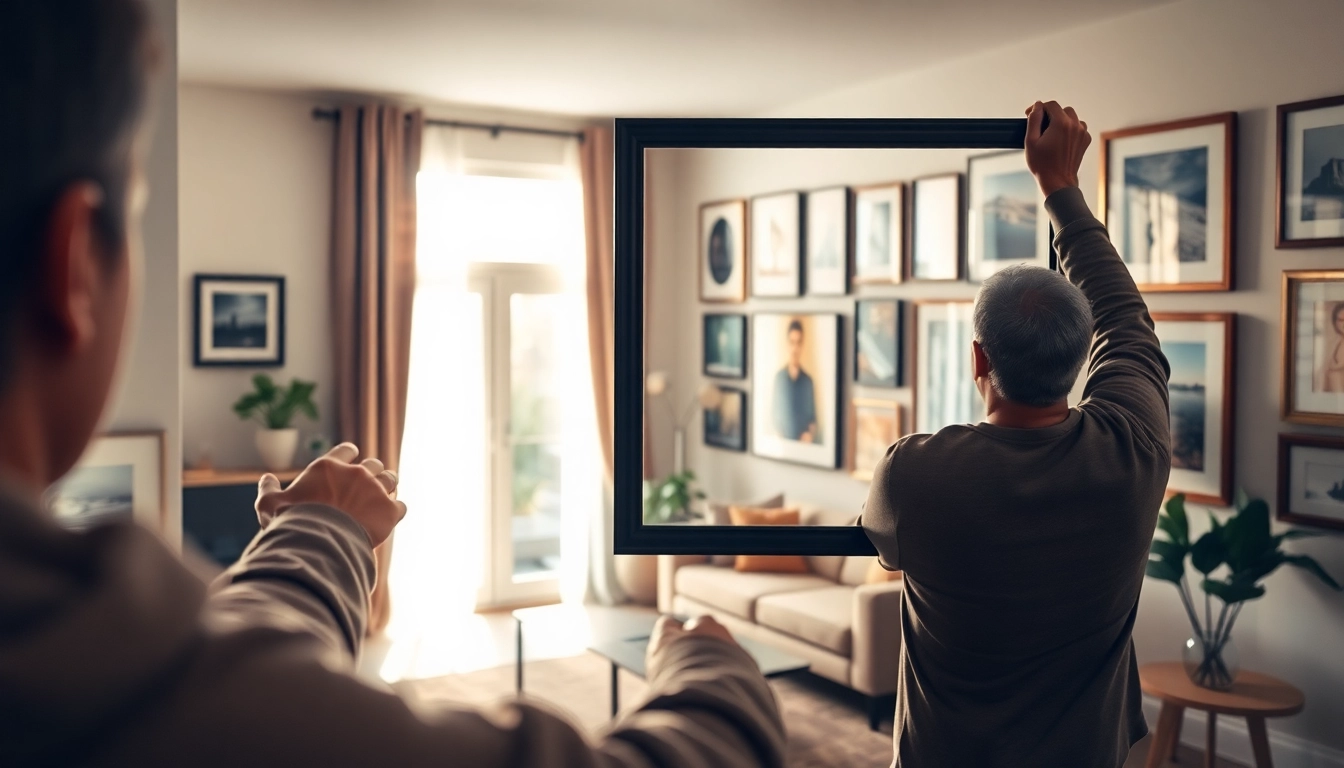
Picture hanging refers to the various techniques and methods used to suspend artwork, photographs, and other decorative items on walls. These methods can vary widely based on the type of artwork, the wall material, and the overall design aesthetic desired. Proper picture hanging enhances the visual appeal of a space, allowing individuals to showcase creativity, memories, and personal expression in home decor.
Importance of Proper Picture Hanging
Proper picture hanging is crucial for several reasons. Firstly, it ensures that artwork is displayed at eye level, which is vital for aesthetic enjoyment. Additionally, well-hung pictures can create a sense of balance and harmony within a room. This practice not only optimizes the visual space but also protects the artwork and walls from damage. For these reasons, taking the time to master picture hanging techniques can lead to an overall enhancement in home ambiance.
Tools and Materials Needed for Picture Hanging
To successfully hang pictures, certain tools and materials are necessary. Essential items include a measuring tape for accurate spacing, a level to ensure alignment, and a hammer or screwdriver depending on the hardware used. Other useful tools are wall anchors for heavier pieces, picture hangers, and adhesive strips for those who prefer not to make holes in walls. Ensuring that you have all the required tools on hand will streamline the hanging process.
Your Guide to Different Picture Hanging Styles
Common Styles for Picture Hanging
Picture hanging styles can vary from minimalist to eclectic collections. Common styles include gallery walls, where multiple pieces are grouped to create a dynamic display; linear arrangements, which line pictures in a single row; and the salon style, where artworks of various sizes are densely packed on one wall. Understanding these styles allows for greater creativity and personalization in designing wall displays.
Deciding on a Theme for Your Display
Choosing a theme is a critical step in picture hanging. Whether it’s nature, family, travel, or abstract art, the theme helps unify the display and gives it purpose. A cohesive theme not only enhances visual appeal but also tells a story. When selecting a theme, consider the color palette, texture, and mood you wish to convey in the room.
Matching Frames and Artworks When Picture Hanging
Frames play an essential role in the overall aesthetic of your picture hanging arrangement. Matching frames can create a uniform look, while mixed frames can add variety and interest. When selecting frames, consider the color, material, and style in relation to the artwork and surrounding decor. Harmonizing these elements will create a visually engaging display that enhances, rather than distracts from, the artwork itself.
Step-by-Step Picture Hanging Techniques
Measuring and Planning Your Layout
Careful measurement and planning are essential for effective picture hanging. Start by selecting the wall space and determining the optimal height for the placement of artwork. Traditionally, art should be hung so that the center point is at eye level, typically around 57 to 60 inches from the floor. Use a pencil to lightly mark where you want each piece to go. Planning the layout on the floor first can also help visualize the arrangement before committing to the wall.
Choosing the Right Hardware for Picture Hanging
The choice of hardware is critical for secure picture hanging. For lightweight pictures, simple nails or adhesive hooks work well. Heavier frames, however, require wall anchors or screw-in hooks for added stability. Always consider the weight of the artwork when selecting hardware, as improper choices can lead to falling or damaged pieces.
Tips for Leveling and Securing Pictures
To ensure that pictures are level once hung, always use a level tool after the first picture is hung. Adjust as necessary before securing further pieces to prevent uneven displays. Make sure that each hardware attachment is properly secured into the wall to hold the weight of the picture. Regularly checking on the stability of your installed pictures is also wise to address any shifting that may occur.
Creative Ideas for Picture Hanging Arrangements
Innovative Gallery Wall Designs
Creating a gallery wall can be an exciting way to display multiple images. One innovative idea involves using an asymmetrical layout, which allows for greater flexibility in choosing various sizes and shapes of frames. Incorporating shelves into the design adds depth and allows for additional decorative pieces to be displayed alongside the artwork. Consider mixing media – such as combining paintings with three-dimensional objects – to create a more engaging display.
Using Picture Hanging to Enhance Room Aesthetics
The art of picture hanging can significantly enhance room aesthetics. Strategically placing artwork that contrasts with wall colors can make a bold statement, while carefully curated displays can soften the overall ambiance of a space. Additionally, utilizing artwork that reflects the room’s functionality can tie together the design elements and enhance the overall theme, from cozy living rooms to dynamic offices.
Seasonal Adjustments and Themes in Picture Hanging
Updating your picture hanging to reflect seasonal changes can keep your decor fresh and inviting. Consider rotating artwork to match seasons or holidays, creating an expected surprise for guests. Seasonal themes can incorporate colors and images relevant to the time of year, such as landscapes in fall or vibrant florals in spring, bringing life and relevance to your display.
Maintaining and Refreshing Your Picture Hanging
Regularly Updating Your Picture Hanging Display
Regular updates to your picture hanging display can reinvigorate your home. As you travel or discover new art, consider swapping out older pieces to keep the display feeling fresh and exciting. This can also be an opportunity to reassess your layout and ensure that your designs continue to fit the evolving style of your decor.
Repairing and Touching Up Frames
Frames can become worn or damaged over time. Regular cleaning and touch-ups can preserve their appearance. For wooden frames, consider refinishing or re-staining, while metal frames may benefit from polish. Addressing small scratches or nicks gives your display a polished and cohesive look.
Seasonal Decor Options for Picture Hanging
Incorporating seasonal decorations into your picture hanging scheme is an effective way to celebrate various times of the year. Use themed pieces that complement existing artwork or create an entire wall of seasonal decorations. These can be swapped out throughout the year, enhancing your home's aesthetic and reflecting your personal style in a fun and engaging way.
Frequently Asked Questions
What is the best height to hang pictures?
The center of the artwork should be approximately 57 to 60 inches from the floor, which is considered eye level for most people.
How do I know what hardware to use for my picture?
Select hardware based on the weight of the artwork. Light pieces can use nails, while heavier frames should be secured with wall anchors or screws.
Can I use adhesive hooks for picture hanging?
Yes, adhesive hooks are great for lightweight frames. Ensure they are rated for the weight of your artwork before use.
How can I create a cohesive gallery wall?
Utilize a unifying theme, such as color or frame style, and experiment with layouts on the floor before hanging each piece on the wall.
How often should I update my picture hanging displays?
Consider updating your displays seasonally or whenever you acquire new artwork. Regular changes keep your decor vibrant and interesting.