

Understanding Bitcoin Mining Basics
Bitcoin mining serves as the backbone of the cryptocurrency ecosystem, facilitating transactions and securing the network. By validating transactions through cryptographic puzzles, miners play a crucial role in maintaining the integrity of the blockchain. With the cryptocurrency market witnessing increasing interest, especially as we move into 2025, understanding the ins and outs of bitcoin mining is essential for anyone looking to get involved. This article delves into the fundamentals, technology, profitability, challenges, and future trends associated with bitcoin mining.
What is Bitcoin Mining?
At its core, bitcoin mining is the process of adding transaction records to Bitcoin’s public ledger, known as the blockchain. This process involves solving complex mathematical equations, a task that requires significant computational power. Miners are rewarded for their efforts with newly minted bitcoins, thus creating an incentive to maintain the network. The mining process not only confirms transactions but also prevents fraud and double-spending.
The Role of Miners in the Blockchain
Miners are essential players in the Bitcoin network, tasked with creating new blocks of transactions. Each block contains a set of verified transactions, and once a miner successfully solves the cryptographic puzzle associated with it, the block is added to the blockchain. This ensures that all transactions are transparent and immutable. Moreover, the competitiveness of mining encourages miners to invest in more efficient hardware and energy solutions, further enhancing the network’s security.
Key Terms and Concepts in Bitcoin Mining
- Hash Rate: The speed at which a miner can solve the mathematical equations. A higher hash rate means quicker mining.
- Difficulty Level: A measure of how challenging it is to find a new block. It adjusts approximately every two weeks to ensure blocks are produced at a steady rate.
- Mining Pool: A group of miners that combine their computational power to increase the chances of solving blocks and sharing the rewards.
The Technology Behind Bitcoin Mining
The success of bitcoin mining hinges on both hardware and software. As technology evolves, so too do the strategies miners employ to maximize their efficiency and profitability. With the increasing complexity of the mining process in 2025, understanding the underlying technology is more crucial than ever.
Hardware Requirements for Effective Mining
Mining hardware has come a long way since Bitcoin’s inception. Initially, enthusiasts used regular CPUs, later shifting to GPUs and eventually to dedicated ASIC miners, which are specifically designed for cryptocurrency mining. As of 2025, the most efficient mining rigs focus on maximizing hash rates while minimizing electricity consumption, making them both powerful and cost-effective.
Choosing the Right Mining Software
Selecting appropriate mining software is vital for optimizing mining operations. The software should be compatible with the hardware, easy to use, and capable of connecting to mining pools if desired. Popular software options include CGMiner, BFGMiner, and EasyMiner, each offering unique features to enhance profitability.
Innovations in Mining Technology for 2025
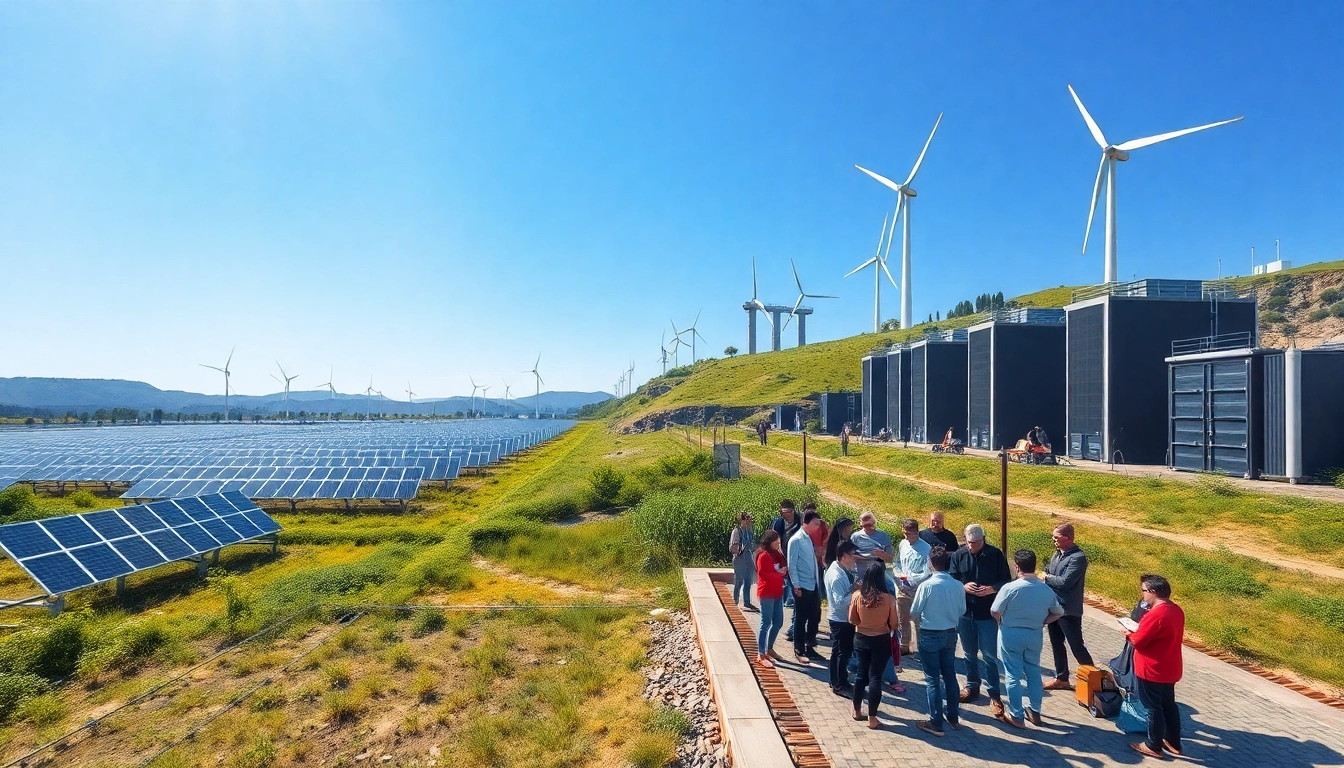
The landscape of bitcoin mining is continuously evolving. Innovations such as liquid cooling technology and renewable energy solutions are becoming increasingly prevalent. Miners are now exploring ways to utilize geothermal, solar, and wind energy to power their operations, reducing costs while minimizing environmental impact. Moreover, AI and machine learning are being integrated to optimize mining strategies and increase efficiency.
Profiting from Bitcoin Mining
As the bitcoin mining landscape changes, one critical question arises: Is bitcoin mining still profitable in 2025? With rising operational costs, such as electricity and hardware maintenance, understanding how to maximize returns becomes imperative for miners.
Is Bitcoin Mining Still Profitable in 2025?
The profitability of bitcoin mining hinges on several factors, including current bitcoin prices, mining difficulty, and energy costs. Although the initial investment can be substantial, miners who adopt effective strategies and invest in the latest technology can still see healthy returns, provided they maintain a keen eye on market trends.
Calculating ROI for Mining Investments
To determine the return on investment (ROI) for mining operations, factors like the cost of equipment, electricity costs, and bitcoin price fluctuations must be considered. Calculators are available online to assist miners in evaluating the potential profit margins based on real-time market conditions.
Effective Strategies to Maximize Mining Profits
- Joining Mining Pools: Collaborative efforts can increase the chances of consistently earning bitcoins.
- Upgrading Hardware: Investing in the latest mining technology can yield higher hash rates and improve efficiency.
- Utilizing Renewable Energy: Reducing electricity costs through sustainable energy sources can significantly enhance profit margins.
Challenges and Risks in Bitcoin Mining
While bitcoin mining offers potential financial rewards, it is not without challenges and risks. Understanding these hurdles is crucial for anyone considering entering the mining arena.
Common Pitfalls for New Miners
Newcomers often fall prey to various pitfalls, such as underestimating initial costs or failing to research the most effective mining setups. Additionally, overlooking long-term maintenance and electricity costs can lead to unsustainable operations.
Environmental Impact of Bitcoin Mining
The environmental implications of bitcoin mining have stirred significant debate. The energy-intensive nature of mining has led to increased carbon footprints and resource depletion. As awareness grows, miners are urged to adopt greener methods, focusing on renewable energy sources and energy-efficient practices.
Legal and Regulatory Considerations
As governments worldwide grapple with the implications of cryptocurrency, regulations surrounding mining continue to evolve. Potential legal issues can arise depending on the jurisdiction, including taxation, operational licenses, and environmental constraints. Staying informed about local laws is essential for compliance and avoiding penalties.
Future Trends in Bitcoin Mining
As we gaze into the future of bitcoin mining, several emerging trends will shape the industry landscape moving forward. The next few years promise to bring innovation and changes that could define mining for the foreseeable future.
The Role of Renewable Energy in Mining
With increasing scrutiny on the environmental impact of bitcoin mining, renewable energy solutions are set to become a focal point. Solar and wind energy are increasingly being utilized to power mining operations, leading to a more sustainable approach that could help assuage public concerns.
Emerging Technologies Shaping the Future
Technological advancements in computing power, cooling methods, and AI are transforming bitcoin mining. Innovations such as FPGA (Field Programmable Gate Array) miners and improved ASIC designs are pushing the limits of mining efficiency and profitability.
Global Market Trends and Predictions for Bitcoin Mining
The global market for bitcoin mining is poised for significant growth, fueled by rising bitcoin prices and increasing interest from institutional investors. Predictions indicate that mining will become more centralized as larger entities gain market share, reshaping the competitive landscape.