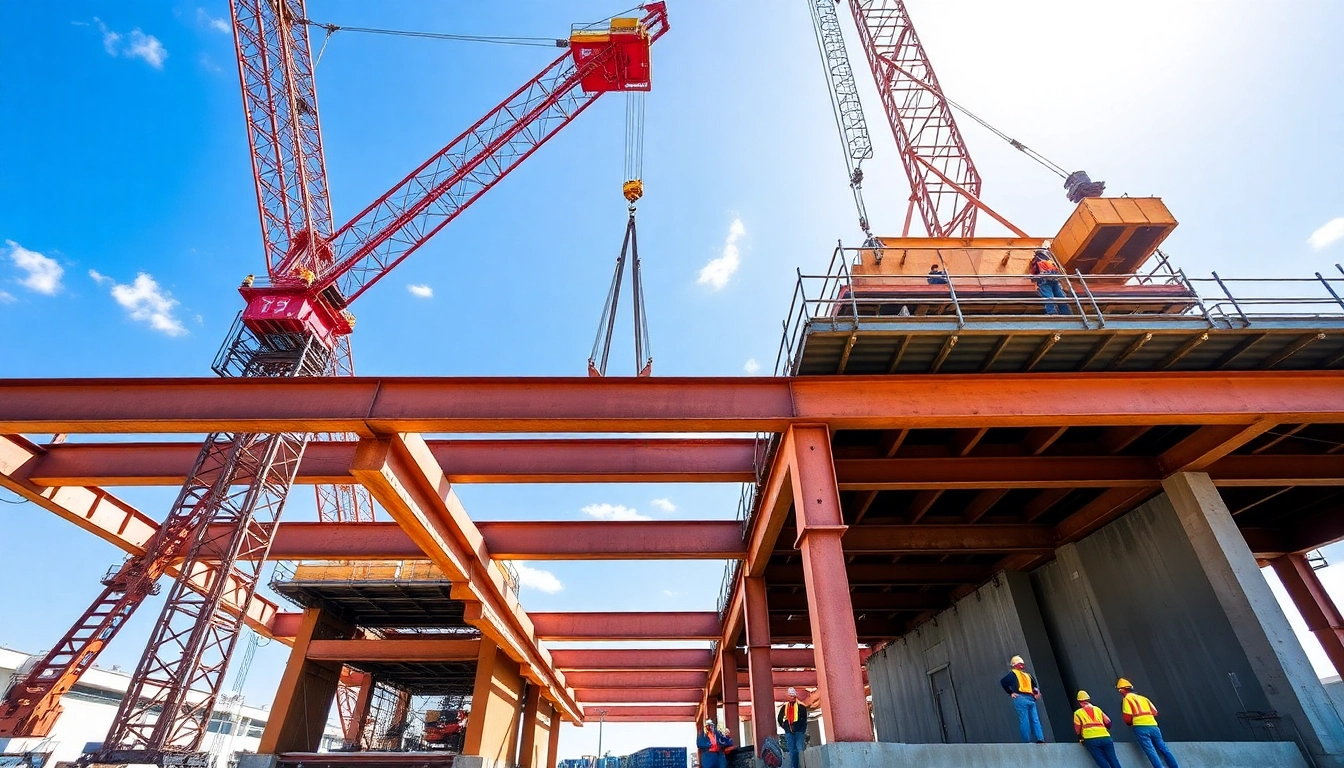

Understanding Construction Safety Programs
Definition and Importance
Construction safety programs are structured plans aimed at minimizing risks and ensuring the safety of workers on construction sites. These programs encompass a wide range of policies, procedures, and activities that prioritize health and safety protocols. The importance of effective construction safety programs cannot be overstated; they not only protect workers from injury but also enhance productivity, reduce downtime due to accidents, and foster a culture of safety that can significantly lower insurance costs and liability risks.
Components of Successful Programs
A successful construction safety program typically includes several critical components:
- Risk Assessment: Identifying hazards and risks present on site is the first step in any safety program. It includes analyzing the work environment and assessing any equipment or tools that may pose danger.
- Safety Policies: Clear and comprehensive safety policies must be established. These policies outline the rules and regulations all workers are expected to follow.
- Training and Education: Regular training sessions educate workers about hazardous conditions, emergency procedures, and proper use of personal protective equipment (PPE).
- Incident Reporting: Implementing a systematic approach for reporting injuries or near misses is crucial for identifying areas needing improvement.
- Compliance Monitoring: Ensuring adherence to safety policies and regulatory standards through audits and inspections helps maintain safety integrity.
Common Pitfalls to Avoid
While implementing construction safety programs, several common pitfalls can arise that can compromise safety and efficacy:
- Lack of Commitment: When management fails to prioritize safety, it can lead to a lax safety culture among workers.
- Inadequate Training: Failing to provide comprehensive training may leave workers unprepared for potential hazards.
- Ignoring Feedback: Not taking into account worker feedback can hinder the program’s improvement and responsiveness to actual conditions on site.
- Static Programs: A safety program should evolve based on new technologies, regulations, and emerging risks rather than remaining unchanged over time.
Implementing Construction Safety Programs
Phases of Implementation
Implementing effective construction safety programs involves several key phases:
- Preparation: This initial phase includes obtaining buy-in from all levels of management and gathering a team dedicated to developing the safety program.
- Planning: During this phase, comprehensive risk assessments are conducted to identify potential hazards. Policies and procedures are drafted based on this assessment.
- Execution: This involves rolling out the program to all workers, including training sessions and distributing resources such as safety manuals.
- Monitoring and Evaluation: Regularly monitoring the effectiveness of the program and evaluating its components allows for enhancements and updates.
- Continuous Improvement: Safety programs should incorporate lessons learned from incidents or near misses and adjust policies and training as necessary.
Employee Training and Engagement
One of the most critical aspects of any construction safety program is thorough training and ongoing engagement of employees. Training should be tailored to the specific risks associated with the job site and should cover:
- Use of personal protective equipment
- Emergency response procedures
- Hazard recognition and reporting
- Safe practices for specific tasks
Engagement strategies such as safety meetings, safety committees, and incentivized reporting can increase participation and commitment to safety protocols. Active involvement creates a shared responsibility for safety, enhancing compliance among workers.
Monitoring and Feedback Mechanisms
Monitoring is essential for maintaining the effectiveness of construction safety programs. This can include:
- Regular Safety Audits: Conducting safety audits to ensure compliance and identify areas needing improvement.
- Feedback Collection: Actively seeking input from workers can provide valuable insights into potential hazards and the overall safety climate of the site.
- Incident Analysis: After an incident occurs, thorough investigations should lead to actionable insights that can prevent future occurrences.
- Adaptive Strategies: Using feedback and incident data to adapt the safety program demonstrates a commitment to continuous improvement.
Evaluating the Effectiveness of Construction Safety Programs
Key Performance Indicators (KPIs)
To measure the effectiveness of construction safety programs, establishing clear KPIs is vital. Some key indicators include:
- Incident Rates: Track the frequency and severity of workplace injuries.
- Compliance Rates: Measure adherence to safety policies and regulations.
- Training Completion Rates: Monitor the percentage of workers who complete required safety training.
- Near Miss Reports: Track the reporting of near misses as a proactive measure of worker awareness.
Data Collection Methods
The collection of reliable data is pivotal for analyzing the effectiveness of safety programs. Common methods include:
- Surveys and Questionnaires: Regularly solicit feedback from workers to gauge their perception of safety and adherence to procedures.
- Incident Reports: Collect and analyze data from any accidents or near misses for trends.
- Observational Studies: Conduct observations of work practices to evaluate compliance with safety protocols.
Adjusting Strategies Based on Metrics
Once data is collected, it is crucial to analyze the findings and adjust safety strategies accordingly. If specific areas reveal high incident rates or non-compliance, the program can be modified to address these concerns. A data-driven approach emphasizes accountability and encourages a proactive stance on safety management.
Innovative Trends in Construction Safety Programs
Technology Integration in Safety Programs
Technology has revolutionized construction safety programs, leading to enhanced communication, training, and monitoring:
- Drones: Used for site inspections, drones can access hard-to-reach areas, identifying potential hazards without putting workers at risk.
- Mobile Apps: Safety apps allow for real-time reporting of incidents and near misses, facilitating quicker response times.
- Wearable Technology: Devices like smart helmets and vests can monitor worker vitals and environmental conditions, alerting to potential risks.
Behavior-Based Safety Approaches
Behavior-based safety (BBS) focuses on identifying and managing worker behavior in regard to safety. It emphasizes:
- Observations of workers’ safe and unsafe behaviors.
- Feedback and coaching based on observed behaviors.
- Encouraging positive reinforcement for safe practices.
By shifting the focus from compliance to behavior, organizations create a more engaged workforce that actively participates in safety efforts.
Sustainability and Safety in Construction
In recent years, the construction industry has increasingly recognized the connection between sustainability and safety. Sustainable practices not only reduce environmental impact but often improve worker safety with practices such as:
- Using sustainable materials that reduce exposure to toxins.
- Implementing efficient waste management to minimize hazards.
- Designing sites with improved ergonomics to reduce injury risks.
Incorporating sustainability into safety programs contributes to a healthier environment for workers and demonstrates corporate responsibility.
FAQs on Construction Safety Programs
What are construction safety programs?
Construction safety programs are comprehensive plans designed to minimize risk and ensure worker safety on construction sites through policies, training, and monitoring.
How can I improve my construction safety program?
Improvements can be made by conducting regular audits, gathering worker feedback, enhancing training, and leveraging technology for better monitoring.
What do successful programs include?
Successful programs include risk assessments, safety policies, training, incident reporting, and continuous monitoring for compliance and improvement.
Why is training important in safety programs?
Training equips employees with knowledge and skills to recognize hazards, respond appropriately, and ensure compliance with safety protocols.
How often should safety programs be evaluated?
Safety programs should be evaluated regularly, at least annually, or after any significant incident, to adapt to new risks and improve effectiveness.