

Understanding the Warehouse Concept
Definition and Purpose of a Warehouse
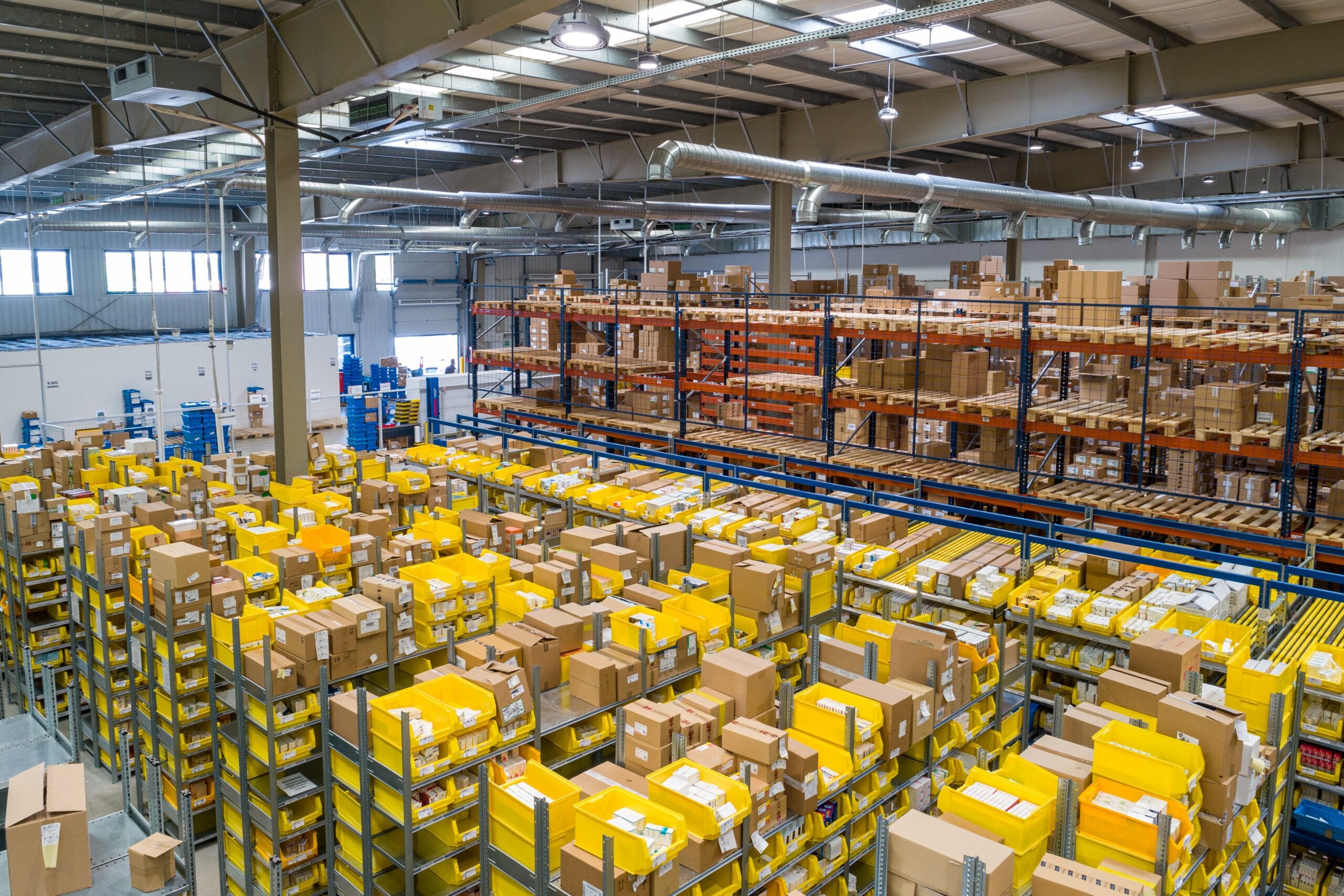
A warehouse is a large building designed primarily for storing goods. These storage facilities play a crucial role in the supply chain by acting as a buffer between the manufacturer and the consumer. By storing products strategically, warehouses ensure that supply meets demand while maintaining efficient operations. They also facilitate various activities, including inventory management, order fulfillment, and distribution, which are vital for various sectors such as retail and manufacturing.
Warehouses can store a wide range of products, from raw materials to finished goods. Their purpose extends beyond simple storage; they contribute significantly to operational efficiencies and logistics. With the demand for timely delivery and reduced lead times increasing, the importance of warehouses in promoting efficiency cannot be overstated. For more information on warehouse functions, you can visit Warehouse management resources.
The Role of Warehouses in Supply Chain Management
Warehouses are integral to supply chain management (SCM). They serve as central hubs for inventory, allowing companies to manage and control stock levels efficiently. In SCM, warehouses facilitate the flow of goods from suppliers to manufacturers, then to consumers. This flow is critical in optimizing costs, enhancing delivery speed, and maintaining customer satisfaction.
By strategically placing warehouses in various locations, companies can reduce transportation costs and improve delivery times to their customers. This geographic strategy allows businesses to respond quickly to changing consumer demands, thereby maintaining agility in the marketplace. Additionally, warehouses help businesses manage fluctuations in demand, especially during peak seasons, ensuring that they can fulfill orders without delays.
Types of Warehouses and Their Functions
Warehousing comes in several types, each designed for specific functions:
- Public Warehouses: These are storage spaces available for rent to multiple businesses. They offer flexibility and scalability, making them ideal for small to medium-sized enterprises (SMEs) that require additional storage without long-term commitments.
- Private Warehouses: Owned and operated by a company for its exclusive use, private warehouses provide greater control over storage and distribution processes. They’re often used by larger organizations with consistent storage needs.
- Distribution Centers: Unlike traditional warehouses, distribution centers focus on the rapid movement of goods. They typically include sophisticated inventory management systems and are equipped to handle large volumes of orders quickly.
- Cold Storage Warehouses: Essential for perishable goods, cold storage warehouses maintain specific temperature conditions to preserve food and pharmaceuticals. These warehouses are crucial in helping meet quality standards in food safety.
- Automated Warehouses: These facilities integrate technology for operations like inventory management, sorting, and transporting goods. Automation enhances efficiency by reducing manual labor and minimizing errors.
Best Practices for Warehouse Management
Implementing Warehouse Management Systems
Technology has transformed warehousing into a more data-driven process, with Warehouse Management Systems (WMS) at the forefront. A robust WMS enables businesses to streamline operations, improve accuracy, and enhance inventory management. Features of a WMS typically include order processing, shipment tracking, and data analytics, all designed to optimize performance.
When implementing a WMS, companies should begin by assessing their specific needs. Factors such as the size of the warehouse, the volume of goods, and existing technology should guide the selection process. Furthermore, it’s essential to involve staff during implementation to ensure everyone is familiar with the new system, which aids in minimizing disruptions to regular operations.
Streamlining Operations for Efficiency
Operational efficiency in warehouses can be significantly enhanced by streamlining processes. This includes organizing layout strategically, training staff effectively, and utilizing automated systems. For instance, employing FIFO (First In, First Out) or LIFO (Last In, First Out) inventory management can reduce waste, particularly in facilities dealing with perishables.
Moreover, regular audits and performance assessments contribute to the continual optimization of warehouse operations. Engaging employees through feedback loops can unveil hidden inefficiencies. By fostering a culture of continuous improvement, warehouses can adapt better to changing demands and challenges.
Optimizing Space Utilization and Inventory Management
Space is a premium asset in any warehouse; optimizing its utilization maximizes operational capacity while minimizing costs. Implementing vertical storage solutions, such as shelving and racking systems, can significantly increase storage density. Furthermore, utilizing inventory management software can track stock levels, ensuring that the right amount of product is on hand at all times.
Regularly evaluating space utilization can uncover opportunities for improvement. Techniques such as slotting optimization—assigning inventory to optimal locations based on demand—can further enhance warehouse efficiency. Such practices ensure not just effective use of space but also facilitate quicker access to goods.
Technological Innovations in Warehousing
Automation in Warehouse Operations
Automation is revolutionizing warehouse operations. Robotic systems and automated guided vehicles (AGVs) now transport goods with speed and precision, reducing labor costs and human error. Automation also allows for greater scalability, enabling warehouses to handle increased demand without compromising service levels.
In addition to AGVs, automated sorting systems help streamline order fulfillment. Such technologies not only expedite the shipping process but also enhance accuracy, ensuring that customers receive the right products in a timely manner.
The Impact of IoT on Warehouse Efficiency
The Internet of Things (IoT) is bringing unprecedented levels of connectivity and data analytics to warehouses. IoT devices can monitor conditions (like temperature and humidity), track inventory in real-time, and even manage equipment maintenance schedules. This connectivity simplifies warehouse management by providing actionable insights that enhance decision-making.
For example, smart shelves equipped with IoT sensors can alert managers when stock is low, enabling proactive inventory replenishment. IoT technologies not only promote efficiency but also reduce waste, further enhancing a warehouse’s bottom line.
Choosing the Right Technology for Your Warehouse
With numerous technologies available, selecting the right solutions for warehouse operations can be overwhelming. Companies should start by defining their operational challenges and identifying technology that aligns with their goals. Considerations include the type of products stored, volume of inventory, and specific processes that need improvement.
Moreover, integrating systems (like WMS with existing ERP systems) ensures seamless operations across the supply chain. Conducting thorough market research and possibly piloting solutions can help firms make informed decisions that foster productivity and growth.
Challenges Faced by Warehouse Managers
Common Operational Challenges and Their Solutions
Warehouse managers encounter various operational challenges that can impact efficiency. Common issues include inventory inaccuracies, poor layout design, and fluctuation in demand. Addressing these challenges requires a proactive approach, including regular inventory audits and adopting best practices in warehouse management.
For layout design, employing warehouse design software can simulate different scenarios to determine the most efficient configuration. Moreover, adapting to demand fluctuations through flexible staffing and inventory strategies can ensure operational resilience.
Addressing Labor Shortages in Warehousing
Labor shortages pose a significant challenge in the warehousing sector, impacting productivity. To combat this issue, companies can focus on enhancing employee engagement and retention strategies, such as offering competitive wages, comprehensive training, and career development opportunities. Furthermore, leveraging technology for routine tasks can help mitigate the impact of labor shortages by allowing existing employees to focus on more complex tasks.
Creating a positive workplace culture and maintaining open lines of communication can foster loyalty and reduce turnover, which is crucial in an industry that heavily relies on its workforce.
Handling Returns and Reverse Logistics in Warehouses
Effective management of returns and reverse logistics is essential for maintaining customer satisfaction while controlling costs. With the rise of e-commerce, handling returns has become a critical aspect of warehouse operations. Establishing a clear and efficient returns process can minimize costs and streamline operations.
Integrating smart returns software can help in tracking returned items and managing inventory levels efficiently. Moreover, analyzing return data can provide insights into trends that inform product improvements, ultimately reducing return rates.
Measuring Warehouse Performance Success
Key Performance Indicators for Warehouse Operations
To gauge the effectiveness of warehouse operations, measuring Key Performance Indicators (KPIs) is crucial. Metrics such as order accuracy, inventory turnover, and picking efficiency can provide insights into performance. Monitoring these KPIs regularly enables managers to identify areas for improvement and assess the efficacy of operational changes.
Establishing clear benchmarks for each KPI will help in tracking progress over time. Most importantly, involving the warehouse staff in KPI discussions can foster a culture of accountability and improvement.
Techniques for Analyzing Warehouse Data
Data analysis is fundamental in refining warehouse operations. Employing various analytical techniques, such as trend analysis and root cause analysis, can uncover valuable insights from operational data. Visualization tools can also aid in interpreting this data effectively, helping managers to make informed decisions.
Moreover, using predictive analytics can allow warehouses to anticipate future challenges, such as inventory shortages or labor requirements, thereby preparing them to react accordingly.
Continuous Improvement Strategies for Warehouses
Continuous improvement is vital for long-term warehouse success. Strategies such as Lean management can help eliminate waste and optimize processes. Implementing a culture of Kaizen, where employees at all levels participate in ongoing improvements, fosters a proactive approach to operational efficiency.
Regular training sessions, feedback loops, and recognizing employee contributions to improvement efforts can significantly enhance warehouse performance. By continuously iterating on processes, warehouses can adapt quickly to market demands and operational challenges.