Understanding Fly Fishing Line Basics
What is Fly Fishing Line?
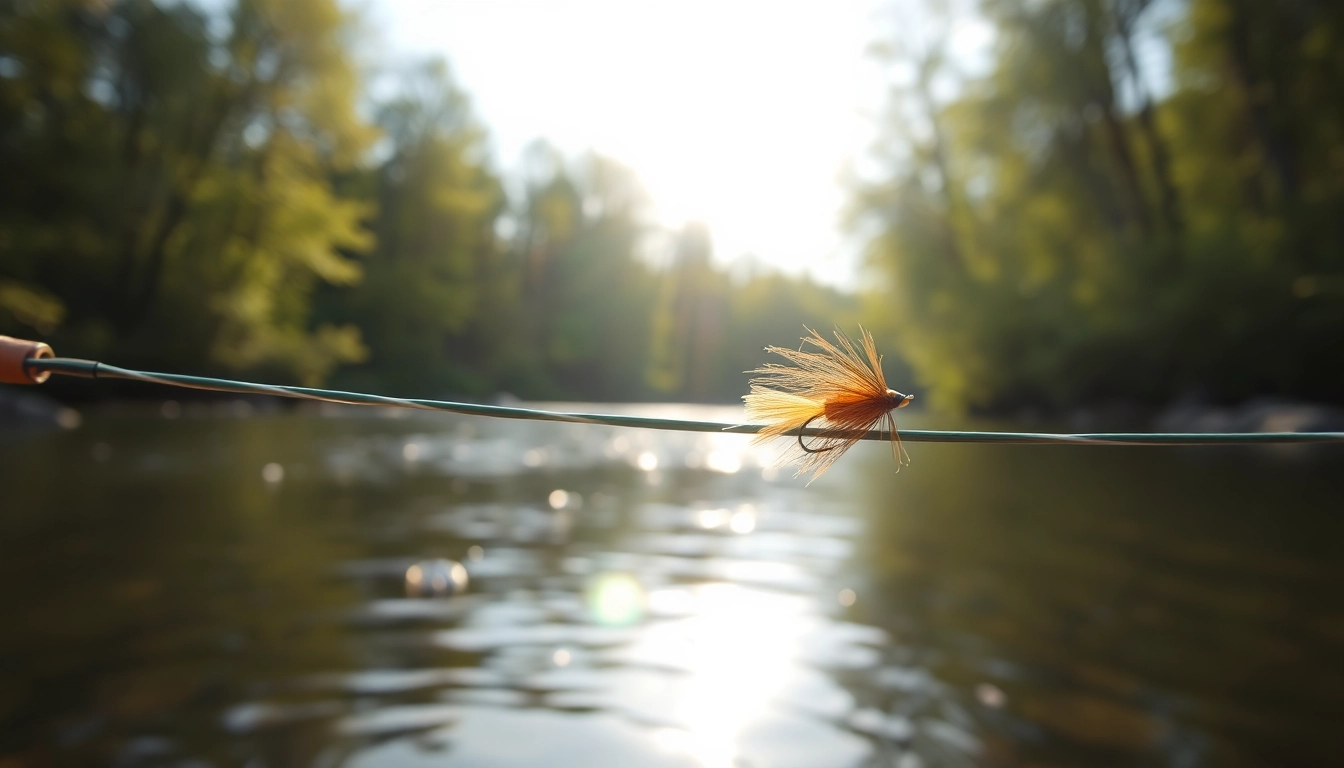
Fly fishing line is a specialized type of fishing line designed for fly fishing, a method that uses lightweight artificial flies to catch fish. Unlike traditional fishing lines, which are designed for bait and heavier lures, fly fishing lines are heavier and more buoyant, allowing anglers to cast the lightweight flies over longer distances. The construction of fly fishing line generally involves a core that gives it the required strength and a coating that enhances its performance against abrasion and environmental factors. Knowledge of fly fishing line can significantly impact your fishing success.
Types of Fly Fishing Line
Understanding the different types of fly fishing line is crucial for effective fishing. There are primarily three categories:
- Floating Lines: These lines float on the surface, making them perfect for dry flies and surface presentations. They are most commonly used in various fishing scenarios.
- Sinking Lines: These lines sink below the water surface, allowing anglers to target fish that lie deeper. They come in various densities, allowing for versatile presentations based on depth and fish behavior.
- Intermediate Lines: These lines sink slowly, allowing for a mid-water presentation. They are ideal for nymph fishing and streamers that require a slower sink rate.
How Fly Fishing Line Affects Casting
The weight and taper of the fly fishing line significantly influence casting performance. Heavier lines can be cast further, while taper affects the line's ability to load the rod, impacting accuracy and distance. Understanding how these factors interact will help in gaining proficiency with different casting techniques, ultimately enhancing your fishing experience.
Choosing the Right Fly Fishing Line for Conditions
Weather Considerations
Weather conditions play a pivotal role in determining what fly fishing line to use. On windy days, a heavier line can improve casting efficiency, while in calm settings, lighter lines work well. Additionally, temperature can impact the line's behavior; colder weather can make lines more rigid, affecting performance.
Water Type and Fly Fishing Line Matching
The type of water you're fishing in also dictates your fly fishing line choice. In rivers with fast currents, a sinking line may be advantageous, while a floating line suits still waters like lakes or ponds where surface presentations are key. Being adaptable to varying water conditions will enhance your overall catch rate.
Skill Level and Fly Fishing Line Selection
Your skill level plays a significant role in line selection. Beginners might opt for a weight-forward floating line as it's easier to cast and control. Intermediate and advanced anglers may prefer specialized lines that cater to specific techniques or conditions, allowing for more precise presentations.
Techniques for Casting with Fly Fishing Line
Basic Casting Techniques
Mastering basic casting techniques is essential for effective fly fishing. The most fundamental method is the overhead cast, where the rod is raised and then thrust forward to propel the line. Practicing this technique in open areas without obstructions can help build confidence and proficiency.
Advanced Casting Methods
As you become more proficient, exploring advanced casting methods such as the roll cast, double haul, and spey cast becomes beneficial. These techniques enable more effective presentations in challenging conditions such as tight spaces with overhanging branches or moving water.
Common Mistakes to Avoid in Casting
Avoiding common casting mistakes can lead to better fishing outcomes. Some of these include:
- Failing to properly load the rod, which can result in inaccurate casts.
- Incorrect timing during the cast, leading to snags or poor line control.
- Overcasting, which can spook fish and reduce chances of a bite.
Maintenance and Care for Fly Fishing Line
Cleaning Your Fly Fishing Line
Regular cleaning of your fly fishing line is essential for maintaining performance. To clean your line, fill a bucket with warm water and add a mild detergent. Submerge the line, allowing it to soak for several minutes, then gently scrub with a cloth. Rinse thoroughly before use.
Storing Fly Fishing Line Properly
Proper storage of fly fishing line prevents damage and extending its lifespan. After use, dry the line completely, then spool it onto the reel or keep it in a protective case. Avoid exposing the line to direct sunlight and extreme temperatures, as this can degrade the material over time.
Replacing Fly Fishing Line: When to Do It
Knowing when to replace your fly fishing line is crucial. Signs of wear such as fraying, a loss of buoyancy, or discoloration indicate that it's time for a replacement. Regular inspections after every fishing trip help maintain optimal performance during your outings.
Frequently Asked Questions about Fly Fishing Line
What weight of fly fishing line should I use?
The fly fishing line weight should match your rod’s specifications. Most rods are labeled with their compatible line weight, typically between 3-12, with 5-7 being common for all-around fishing. Always check your rod label to ensure compatibility.
How often should I replace my fly fishing line?
Replace your fly fishing line every season or after around 100 days of fishing to ensure maximum performance and reliability. Signs of wear or damage may signal the need for replacement sooner.
Can I use the same fly fishing line for different rods?
Using the same fly fishing line across different rods is acceptable only if the line weight matches the rod's specifications. Check the recommended line weight for each rod to ensure you're getting the best performance.
What is the best way to clean my fly fishing line?
The best cleaning method includes soaking the line in warm water with mild soap, scrubbing gently, and rinsing thoroughly. Consider using a dedicated cleaning kit for optimal results.
What is the difference between floating and sinking fly fishing line?
Floating fly fishing line stays on the water surface, ideal for dry flies, while sinking line submerges to catch fish at various depths. Choosing the right type depends on your fishing technique and target species.