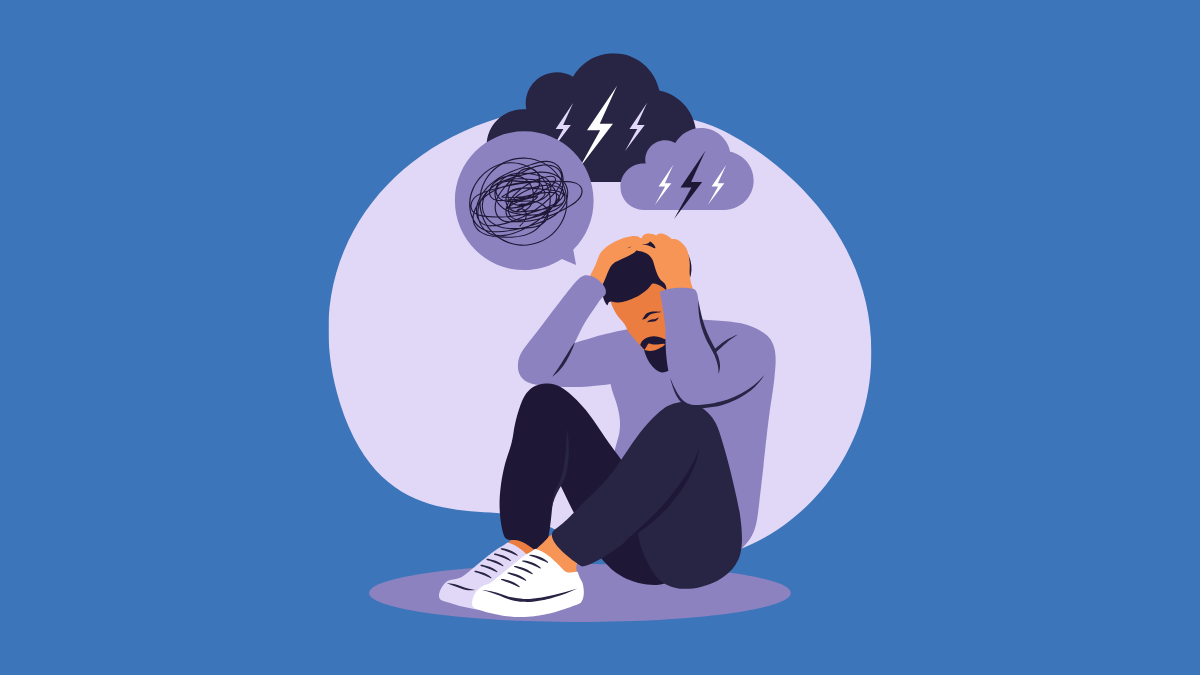
Understanding Depression symptoms is vital in today’s fast-paced world, where emotional and mental health challenges are increasingly common. Recognizing these signs early can make a profound difference in managing depression and seeking timely help. Depression is not merely feeling sad occasionally; it is a complex mental health condition that affects mood, behavior, and overall well-being. Learning to identify its symptoms empowers individuals, families, and caregivers to take proactive steps toward emotional health and recovery.
What Is Depression?
Depression is a mental health disorder characterized by persistent feelings of sadness, loss of interest or pleasure, and a variety of physical and emotional problems. It can interfere with daily life, relationships, work, and overall quality of life. Importantly, depression is not a personal weakness, and it cannot simply be overcome by willpower. It is a medical condition that requires understanding, support, and, in many cases, professional treatment.
Key Features of Depression
- Persistent sadness or low mood
- Loss of interest in activities previously enjoyed
- Fatigue and low energy
- Difficulty concentrating or making decisions
- Changes in sleep and appetite
Understanding these core features helps distinguish depression from temporary emotional ups and downs.
Emotional Depression Symptoms
Emotional changes are often the first noticeable signs of depression. While each individual may experience depression differently, certain emotional symptoms are common:
Persistent Sadness
Feeling sad, empty, or hopeless for extended periods is one of the hallmark emotional signs. Unlike normal sadness that comes and goes, this feeling is continuous and can interfere with daily functioning.
Irritability and Frustration
Even small challenges can trigger disproportionate anger or frustration. These emotional reactions may strain personal and professional relationships.
Loss of Interest
Activities and hobbies that were once enjoyable may no longer bring pleasure. This symptom, known as anhedonia, is a core feature of depression.
Feelings of Worthlessness or Guilt
Individuals may experience excessive guilt or feel that they are a burden to others. These negative thought patterns often worsen emotional distress.
Physical Depression Symptoms
Depression does not only affect mood; it also manifests physically. Understanding these symptoms is crucial for recognizing depression in oneself or others.
Changes in Sleep Patterns
Depression often disrupts sleep, causing insomnia, early morning waking, or excessive sleeping. These changes can further exacerbate fatigue and emotional distress.
Appetite and Weight Fluctuations
Some individuals may lose interest in eating, leading to weight loss, while others may overeat as a coping mechanism, resulting in weight gain.
Fatigue and Low Energy
Persistent tiredness, even after adequate rest, is common. Everyday tasks may feel overwhelming or impossible.
Physical Pain
Chronic pain, headaches, or digestive problems may occur without an obvious medical cause. These symptoms can make recognizing depression more challenging.
Cognitive Depression Symptoms
Depression can affect the way individuals think, concentrate, and make decisions. Cognitive symptoms may include:
Difficulty Concentrating
Tasks that require focus, memory, or decision-making may become difficult. This cognitive slowing can affect work and academic performance.
Negative Thinking Patterns
Persistent pessimism, self-criticism, and catastrophic thinking are common. These thoughts reinforce feelings of hopelessness and low self-esteem.
Suicidal Thoughts
In severe cases, depression can lead to thoughts of self-harm or suicide. Recognizing these warning signs is critical for timely intervention.
Behavioral Depression Symptoms
Depression often impacts behavior and day-to-day functioning.
Social Withdrawal
Avoiding friends, family, and social activities is common. Isolation can worsen depression and hinder support systems.
Reduced Productivity
Motivation decreases, and even simple tasks may feel overwhelming. Work, school, and household responsibilities can be neglected.
Risky or Impulsive Behavior
Some individuals may engage in reckless actions, such as substance abuse or unsafe activities, as a way to cope with emotional pain.
Recognizing Depression in Different Populations
Depression affects people of all ages and backgrounds, but symptoms can manifest differently across populations.
Adults
Adults may experience persistent sadness, fatigue, irritability, and changes in appetite or sleep. They are also more likely to experience stress-related symptoms.
Older Adults
Symptoms in older adults may include cognitive changes, physical aches, and social withdrawal. Depression can sometimes be mistaken for dementia or normal aging.
Adolescents and Young Adults
In younger populations, depression may present as irritability, academic difficulties, or risky behaviors. Awareness and early intervention are crucial.
When to Seek Help
Early recognition of depression symptoms is essential. If emotional, physical, or behavioral signs persist for more than two weeks and interfere with daily life, professional help should be sought. Mental health professionals can provide evaluation, therapy, and, if necessary, medication.
Self-Help Strategies
- Regular physical activity
- Healthy sleep routines
- Balanced nutrition
- Mindfulness and relaxation techniques
- Building social support networks
Professional Treatments
- Cognitive-behavioral therapy (CBT)
- Interpersonal therapy (IPT)
- Medication, such as antidepressants
- Support groups and counseling
Warning Signs Not to Ignore
Certain depression symptoms signal the need for urgent attention:
- Thoughts of self-harm or suicide
- Severe hopelessness or despair
- Inability to perform basic daily tasks
- Sudden behavioral changes
Recognizing these red flags can save lives and prevent long-term consequences.
How Depression Symptoms Affect Daily Life
Depression can significantly impact personal, professional, and social life. Simple tasks may become overwhelming, and relationships may suffer due to irritability or withdrawal. Academic or work performance may decline, and overall quality of life diminishes.
Coping Mechanisms
Healthy coping strategies can reduce the impact of depression on daily life. These include maintaining routines, seeking social support, practicing mindfulness, and engaging in creative or physical activities.
Building Resilience
Developing resilience involves learning to manage stress, adapt to challenges, and maintain a positive outlook. Professional guidance and support networks play a crucial role in fostering resilience.
Differences Between Depression and Sadness
Many people confuse temporary sadness with clinical depression. Understanding the distinction is important for timely intervention.
Duration and Persistence
Sadness is usually temporary and linked to specific events, whereas depression is persistent and affects multiple areas of life.
Intensity of Symptoms
Depression symptoms are more intense and pervasive, interfering with work, relationships, and daily functioning.
Accompanying Physical and Cognitive Symptoms
Depression often includes sleep disturbances, changes in appetite, fatigue, and negative thinking, which are generally not present with ordinary sadness.
First Steps Toward Healing
Recognizing depression symptoms is the first step in recovery. Seeking support, whether from friends, family, or mental health professionals, is crucial. Creating a structured plan that combines self-care, therapy, and medical treatment can improve outcomes and quality of life.
Setting Realistic Goals
Small, achievable goals can foster a sense of accomplishment and motivation. This gradual approach helps combat feelings of helplessness.
Maintaining a Support Network
Family, friends, and peer groups provide emotional support, encouragement, and accountability. Connection is a protective factor against worsening depression.
Ongoing Monitoring and Adjustment
Recovery from depression is often nonlinear. Monitoring symptoms, adjusting strategies, and maintaining regular professional check-ins are essential for long-term management.
Conclusion
Understanding and recognizing depression symptoms is essential for early intervention and effective management. By being aware of emotional, physical, cognitive, and behavioral signs, individuals can seek help sooner, access appropriate treatments, and improve their overall well-being. Education, awareness, and proactive care can transform lives, allowing individuals to regain control and lead fulfilling, meaningful lives. For quick access to everything we offer, start from the homepage.
FAQs
What are the most common depression symptoms?
The most common symptoms include persistent sadness, loss of interest in activities, fatigue, sleep disturbances, changes in appetite, difficulty concentrating, and feelings of worthlessness.
How can I distinguish between sadness and depression?
Sadness is usually temporary and tied to specific events, while depression is persistent, affects multiple areas of life, and often includes physical, cognitive, and behavioral symptoms.
When should I seek professional help for depression?
Professional help should be sought if symptoms persist for more than two weeks, interfere with daily life, or include thoughts of self-harm or suicide. Early intervention improves recovery outcomes.