Understanding the Carolina Dance
The Carolina Dance has captured the hearts of many with its energetic rhythms and vibrant movements. Rooted deeply in the culture of the Carolinas, this dance form embodies a rich history and distinctive style that reflects the region's social fabric. In this article, we will delve into the origins, characteristics, techniques, and cultural significance of the Carolina Dance, providing a comprehensive insight into this beloved artistic expression.
History of the Carolina Dance
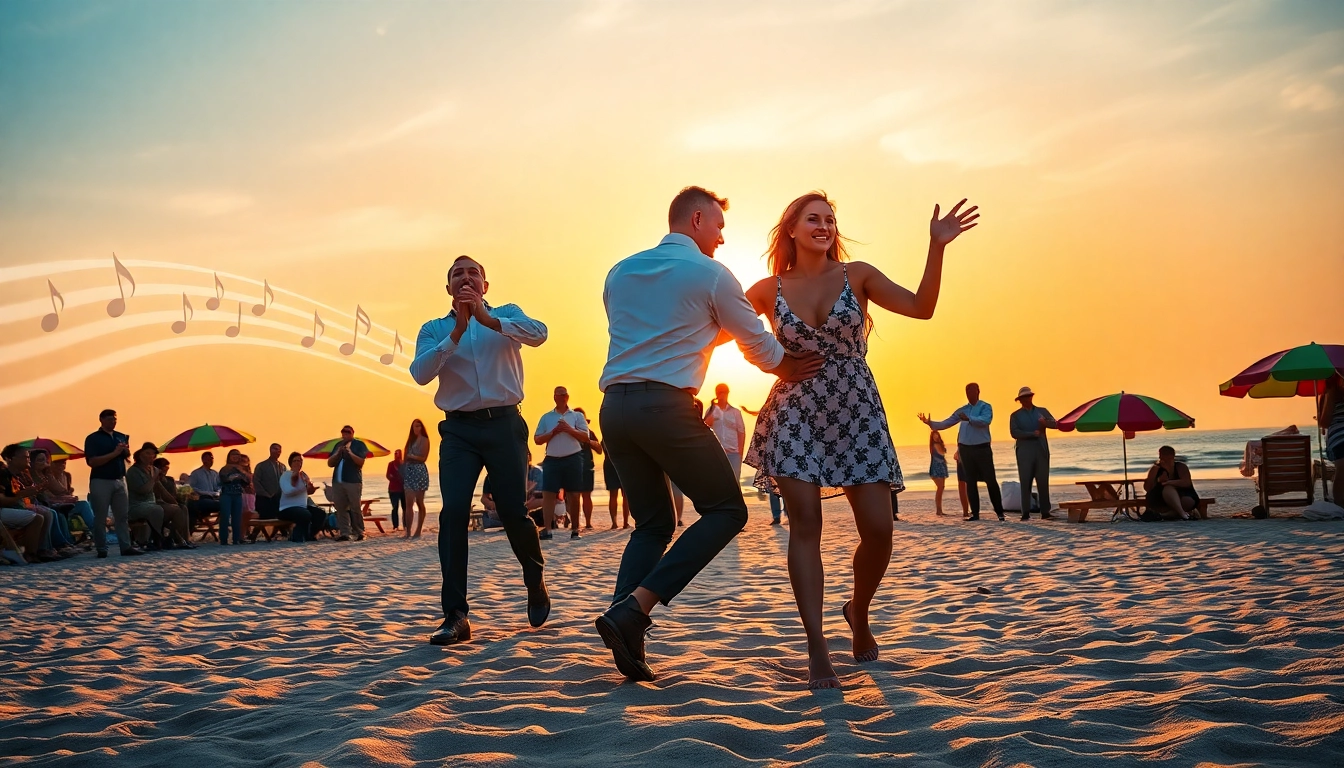
The Carolina Dance, particularly the Carolina shag, originated in the 1940s in the areas surrounding the Carolina coast. This dance style evolved from various influences, including swing and jitterbug, adapting to the rhythm of beach music, a genre that combines R&B, jazz, and blues. The shag gained traction in dance clubs and beach parties, becoming a staple of social gatherings among locals and tourists alike.
As the dance became more popular, it began to establish its identity, characterized by its smooth and flowing movements. The 1950s and 1960s saw the rise of beach music, solidifying its connection to the Carolina community. Moreover, various competitions emerged, celebrating the skills of talented dancers, further embedding the Carolina Dance into the cultural zeitgeist of the region.
Key Characteristics of the Carolina Dance
The Carolina Dance is defined by its relaxed posture and playful footwork, distinguishing it from other partner dances. Key characteristics include:
- Fluid Movements: The dance emphasizes fluidity, allowing dancers to glide seamlessly across the floor.
- Basic Steps: At its core, the Carolina Dance employs simple footwork, making it accessible for beginners while also allowing for elaborate improvisation.
- Connection: The dance fosters a strong connection between partners, emphasizing synchronicity in rhythm and movement.
- Variety of Styles: While characterized by traditional moves, dancers can incorporate a range of styles, making each performance unique.
Styles and Variations within Carolina Dance
The Carolina Dance is not monolithic. It encompasses a range of styles and variations, including:
- Traditional Carolina Shag: The most recognized form, often performed to classic beach music.
- Contemporary Shag: Incorporates modern twists and influences from other dance genres.
- Team Shag: Danced in choreographed groups, often seen during competitions.
- Line Shag: Performed in a line formation, showcasing a series of synchronized movements.
Essential Techniques for Carolina Dance
Basic Footwork for Carolina Dance
Mastering the basic footwork is essential for newcomers to the Carolina Dance. The foundational step pattern consists of a quick step followed by a slow step, typically described as a “triple step” followed by a “rock step.” Dancers should focus on:
- Foot Placement: Correct placement of feet ensures balance and fluidity.
- Weight Transfer: Understanding how to transfer weight between steps is critical for maintaining rhythm.
- Timing: Emphasizing the timing with the music enhances the overall performance.
Body Movements and Posture in Carolina Dance
The posture and body movements in the Carolina Dance are essential for effective communication between partners. Key elements include:
- Relaxed Posture: A relaxed upper body allows for natural movement and connection with your partner.
- Hip Action: Subtle hip movements can add style and flair without compromising balance.
- Arm Position: Arms should be held comfortably yet stylishly to enhance leads and follows.
Common Mistakes to Avoid in Carolina Dance
Like any dance form, pitfalls can hinder progress. Some common mistakes to avoid are:
- Stiffness: Many beginners tend to tense up. Remember to relax and enjoy the dance.
- Rushing Steps: Hurrying through the footwork can disrupt timing and fluidity.
- Lack of Connection: Failing to maintain a strong connection with partners can lead to miscommunication.
Learning the Carolina Dance
Best Resources for Carolina Dance Lessons
For those eager to learn the Carolina Dance, numerous resources are available. Local dance studios offer classes catering to various skill levels. Additionally, many online platforms provide instructional materials, including:
- Video Tutorials: YouTube hosts countless tutorials from professional dancers, breaking down steps and techniques.
- In-Person Classes: Joining a local dance school can provide hands-on instruction and immediate feedback.
- Dance Camps: Participating in workshops or camps can offer intensive training and a chance to meet fellow enthusiasts.
Online Tutorials and Video Guides for Carolina Dance
Online tutorials are vital for mastering the Carolina Dance at your own pace. Many instructors create detailed videos that demonstrate footwork, styling, and partner interaction. Popular platforms include:
- YouTube: Channels dedicated to ballroom and swing dancing often feature Carolina Dance tutorials.
- Social Media: Platforms like Instagram and TikTok provide quick tips and trends to keep learners engaged.
- Online Courses: Websites dedicated to dance education offer structured courses for varying skill levels.
Finding Local Carolina Dance Classes and Workshops
Joining local classes can significantly enhance your learning experience. To find suitable classes or workshops, consider:
- Community Centers: Often, community centers provide introductory classes or dance nights.
- Dance Schools: Specialized dance studios may offer structured programs specifically for the Carolina Dance.
- Social Media Groups: Networking with local dance enthusiasts can lead you to hidden gems.
Social and Cultural Impact of Carolina Dance
Carolina Dance in Community Events and Festivals
The Carolina Dance is more than just a form of entertainment; it plays a significant role in community engagement. Local festivals often showcase dance performances, creating opportunities for participation and celebration. Such events include:
- Beach Music Festivals: Gathering dancers, musicians, and fans, these festivals highlight the significance of the dance in popular culture.
- Charity Events: Many community events incorporate dance performances to support local causes.
The Role of Carolina Dance in Promoting Local Culture
The Carolina Dance serves as a cultural ambassador, sharing the unique heritage of the Carolinas. It promotes connections among participants, fostering a sense of pride in local traditions. Dancers often serve as educators, teaching newcomers about the history and significance of the dance.
Community Engagement through Carolina Dance
Community involvement bolsters the longevity of the Carolina Dance. Many organizations host classes, practice sessions, and events open to the public, enhancing accessibility. Engaging in the Carolina Dance allows individuals to form social networks, share experiences, and contribute to a vibrant cultural community.
Advancing Your Skills in Carolina Dance
Participating in Carolina Dance Competitions
As dancers seek to refine their skills, participating in competitions can be a thrilling experience. Competitions are opportunities to showcase talent, receive feedback, and gain exposure to other dancers. Preparing for a competition typically involves:
- Regular Practice: Consistent practice helps in perfecting techniques and building confidence.
- Seeking Mentorship: Learning from experienced dancers can provide valuable insights into performance and technique.
- Inviting Feedback: Constructive criticism from peers can help identify areas for improvement.
Collaborating with Other Dancers for Carolina Dance
Collaboration is a powerful tool for advancing skills in the Carolina Dance. Engaging with other dancers provides a wealth of perspectives and styles. Partnering with varied dancers can enhance your adaptability, exposing you to new techniques and interpretations of the dance.
Feedback and Improvement in Carolina Dance Performance
Continuous improvement is key to mastering the Carolina Dance. Seeking feedback should be an integral part of your dance journey. Approaches to gather feedback include:
- Video Recordings: Recording your practice sessions allows you to critique your movements objectively.
- Peer Review: Dancing with experienced partners can help identify strengths and weaknesses in your style.
- Professional Coaching: Enrolling in classes with a focus on performance can provide tailored guidance on areas for growth.